6 hr 30 min
Chianti Wine Country Tour from Florence
- Expert local guide
- Small group
- Skip-the-line access
- Free cancellation
Chianti Wine Safari Florence — Vineyard Tours & Tastings
Roll through sun-lit estates, taste where Sangiovese ripens best
Compare fares, pick the fit — all bookings are mobile-voucher and eligible for free cancellation where shown.
6 hr 30 min
4 hr 30 min
11 hr
Choosing the right chianti wine safari florence option allows travelers to experience the Tuscan countryside through varied levels of immersion, from off-road adventures to classic vineyard excursions. Whether you prioritize deep exploration or a concise half-day outing, these chianti wine safari florence tours provide structured access to local heritage.
| Half-Day Safari Vineyard Intro |
Top pick Full-Day Safari Off-Road Immersion |
|
|---|---|---|
| Duration | 4-5 hours | 8-9 hours |
| Transport | 4WD Vehicle | 4WD & Minivan |
| Wine Tastings | 2 Wineries | 2+ Wineries |
| Meal Included | Light Snacks | 3-Course Lunch |
| Private Option | — | Available |
| Best for | Time-sensitive visitors | Deep regional exploration |
| See tickets & prices |
Verdict: First-time visitors should prioritize the Full-Day Safari to gain the complete off-road vineyard experience that defines these chianti wine safari florence tickets.
Worth it for intimate winery access seekers
A chianti wine safari florence tour typically costs €80–180 depending on inclusions, group size, and whether lunch is bundled. Standard bus excursions deliver scripted vineyard visits and rushed tastings; private safari-style options add off-road access to family-run estates, extended cellar time, and personalized sommelier-led sessions. The premium pays for exclusivity: smaller groups (often under twelve), multi-course Tuscan lunches paired with reserve wines, and stops at hillside vineyards inaccessible to coaches. Tours lasting six to eight hours cover two or three wineries plus Chianti villages like Greve or Castellina. Value hinges on what's included—verify whether tastings, meals, and transportation from Florence are bundled or charged separately. For wine enthusiasts prioritizing depth over breadth, chianti wine safari florence tours justify the cost through curated access and intimate vineyard exploration. Casual sippers may find standard bus tours adequate at half the price.
Bottom line: Pay the premium if cellar access and curated tastings matter more than checking Chianti off a list.
They complement each other; most visitors who do both call the chianti wine safari florence the more thrilling off-road alternative to standard vineyard outings. Choosing between these chianti wine safari florence tours ultimately depends on whether you prefer rugged exploration or a refined, classic cellar experience.
|
Top pick Chianti Wine Safari |
Standard Tuscany Wine Tour | |
|---|---|---|
| Transport Type | 4x4 Off-road Vehicle | Luxury Van or Minibus |
| Primary Focus | Adventure and Vineyards | Cellar History and Tasting |
| Typical Duration | 7–10 hours | 4–6 hours |
| Included Meals | 3-course Tuscan lunch | Light snack or lunch |
| Terrain Access | Off-road paths and hills | Paved roads and estates |
| Group Size | Small group | Medium to large group |
| Booking Type | Pre-booked tour product | Pre-booked tour operator product |
| See tickets & prices |
Verdict: If you seek an adventurous, immersive day in the hills, the chianti wine safari florence tickets offer a unique off-road edge over the traditional, more relaxed winery bus excursions.
Hand-picked experiences loved by thousands of travelers
12 hours
Free Cancellation
Full-day coach journey through Tuscany's iconic medieval towns, vineyard feast, and Pisa's marble wonders
6 hours
Free Cancellation
Half-day journey through Tuscan vineyards with tastings at two estates and a medieval village visit
5 hours
Free Cancellation
Escape to Tuscany's wine country for vineyard walks, cellar tours, and seven premium wine tastings
5 hours
Free Cancellation
Discover three celebrated wineries, savor a gourmet lunch, and explore olive oil traditions in Tuscany's hills
6 hours
Free Cancellation
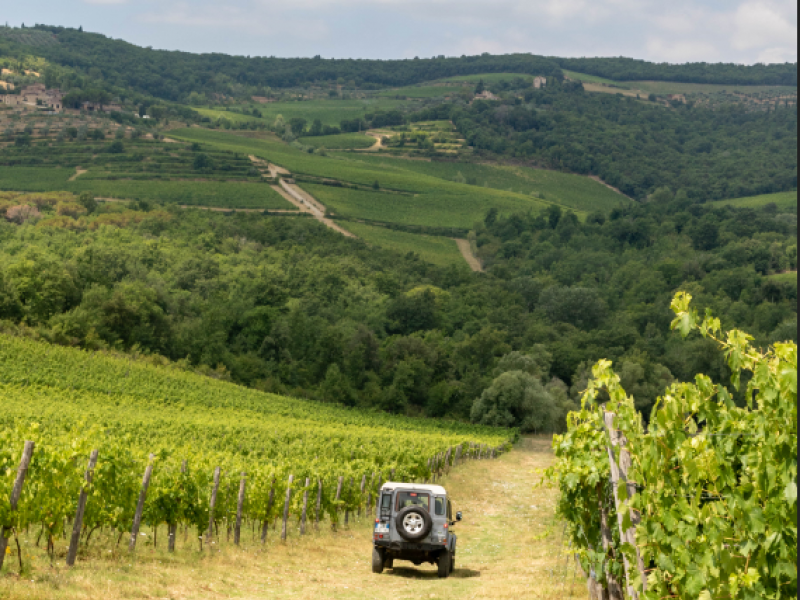
Off-road vineyard adventure through Chianti Classico with winery tours, wine tastings, and a seasonal Tuscan feast
5–7 hours
Free Cancellation
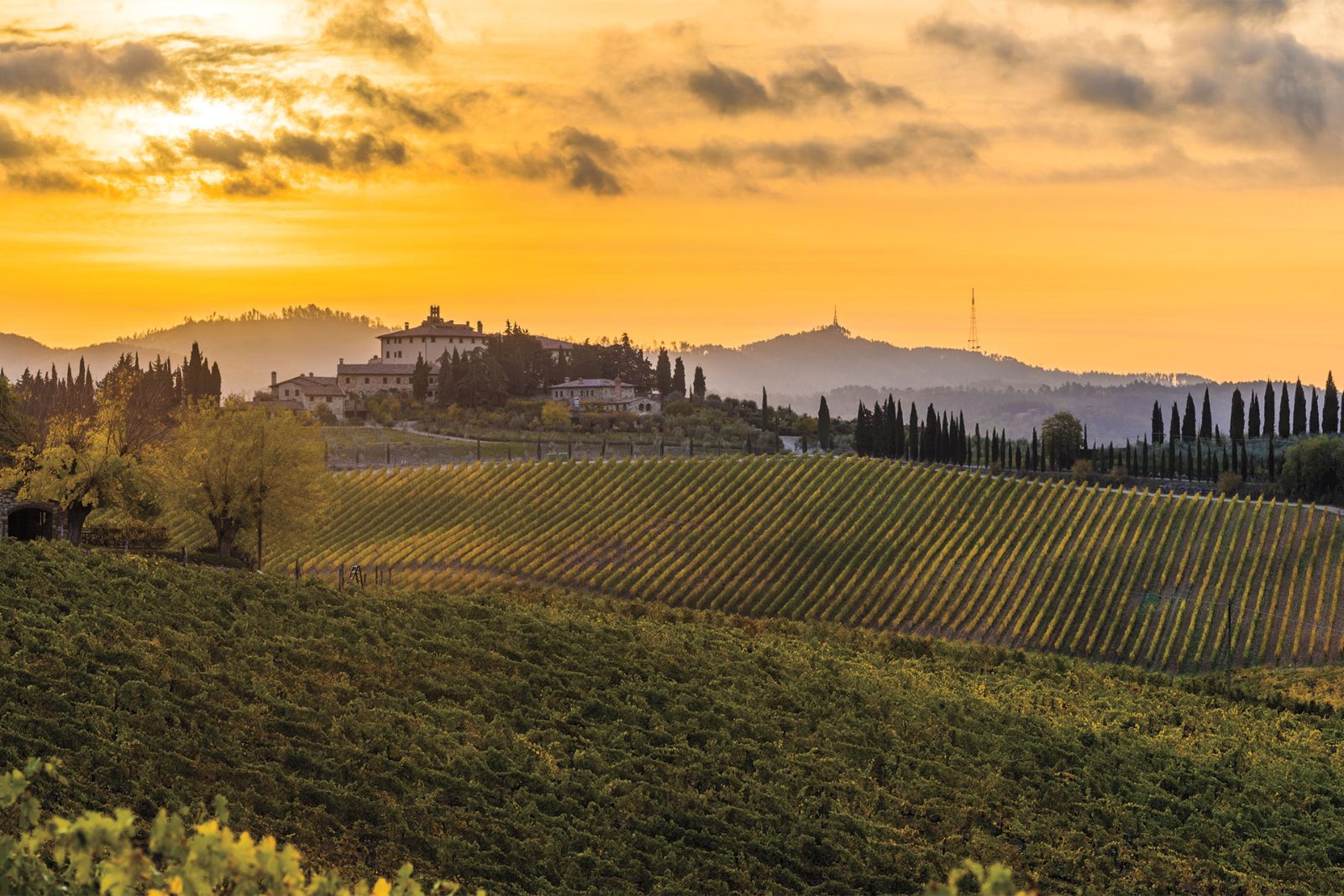
Sip Tuscan wines at two family estates as the sun sets over rolling vineyards and hilltop towns
7 hours
Free Cancellation
Explore three family wineries, taste exceptional wines, and enjoy an authentic farm lunch in Tuscany's hills
8 hours
Free Cancellation
Full-day 4WD adventure through Tuscan vineyards with tastings at three historic estates
Group meeting in Florence
Guided walk through Tuscan vines
Cellar visit and vintage samples
Local Tuscan meal at estate
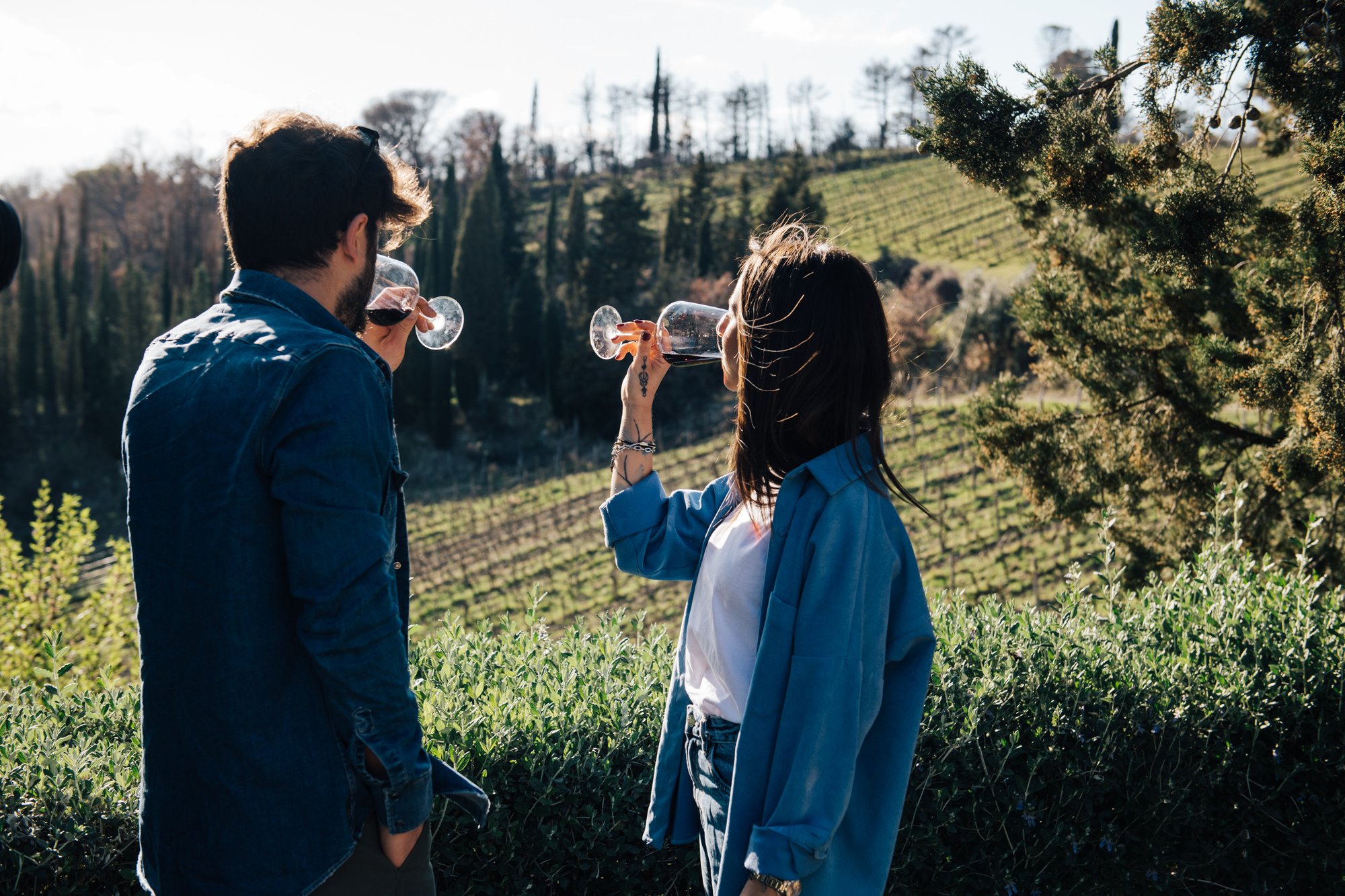
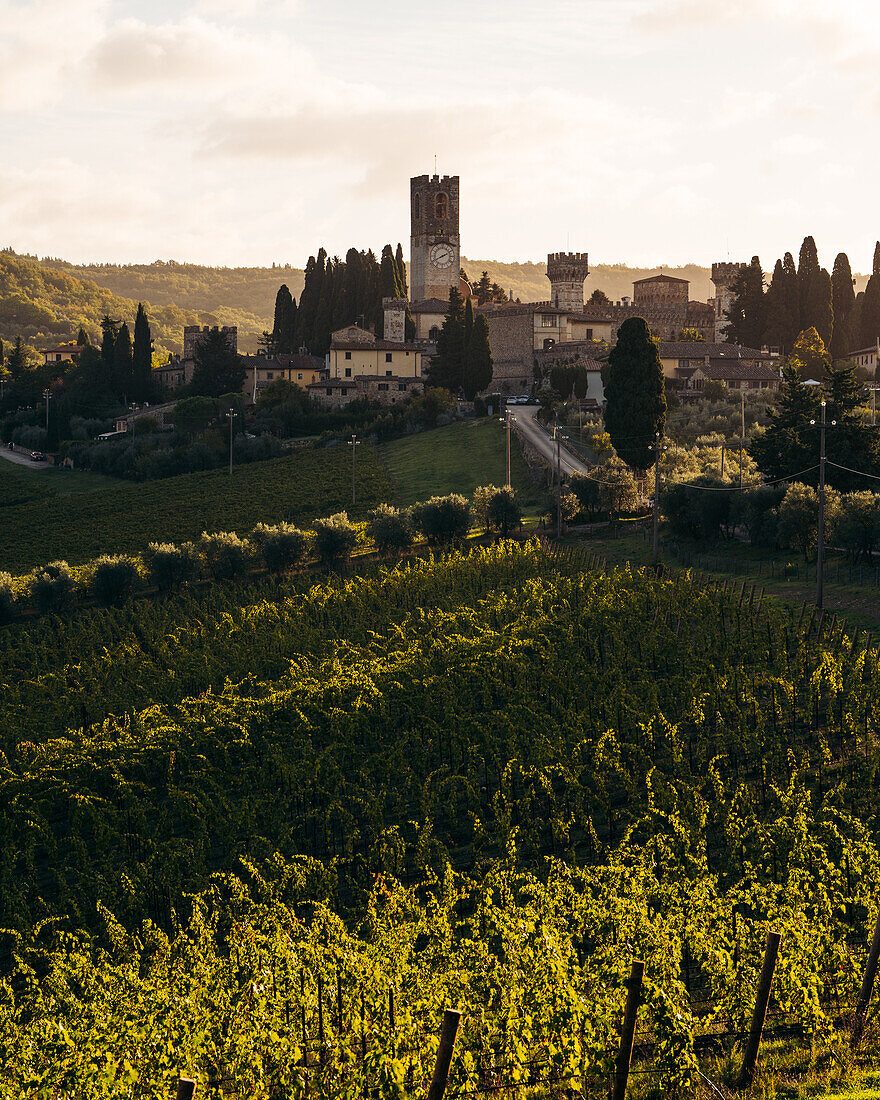
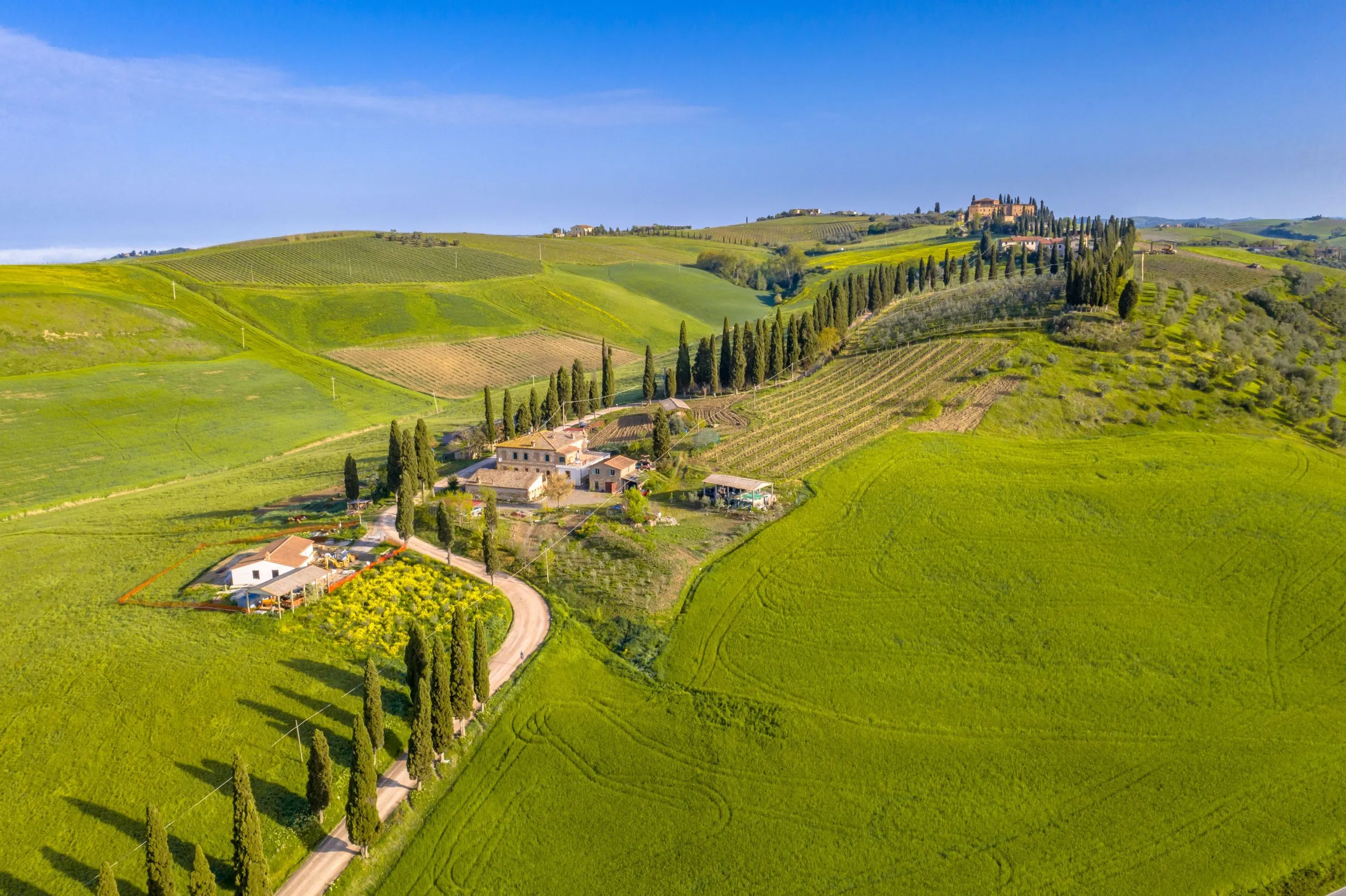
These historic plots feature rows of Sangiovese grapes that have been cultivated for centuries. The soil composition is essential for the quality of local vintages.
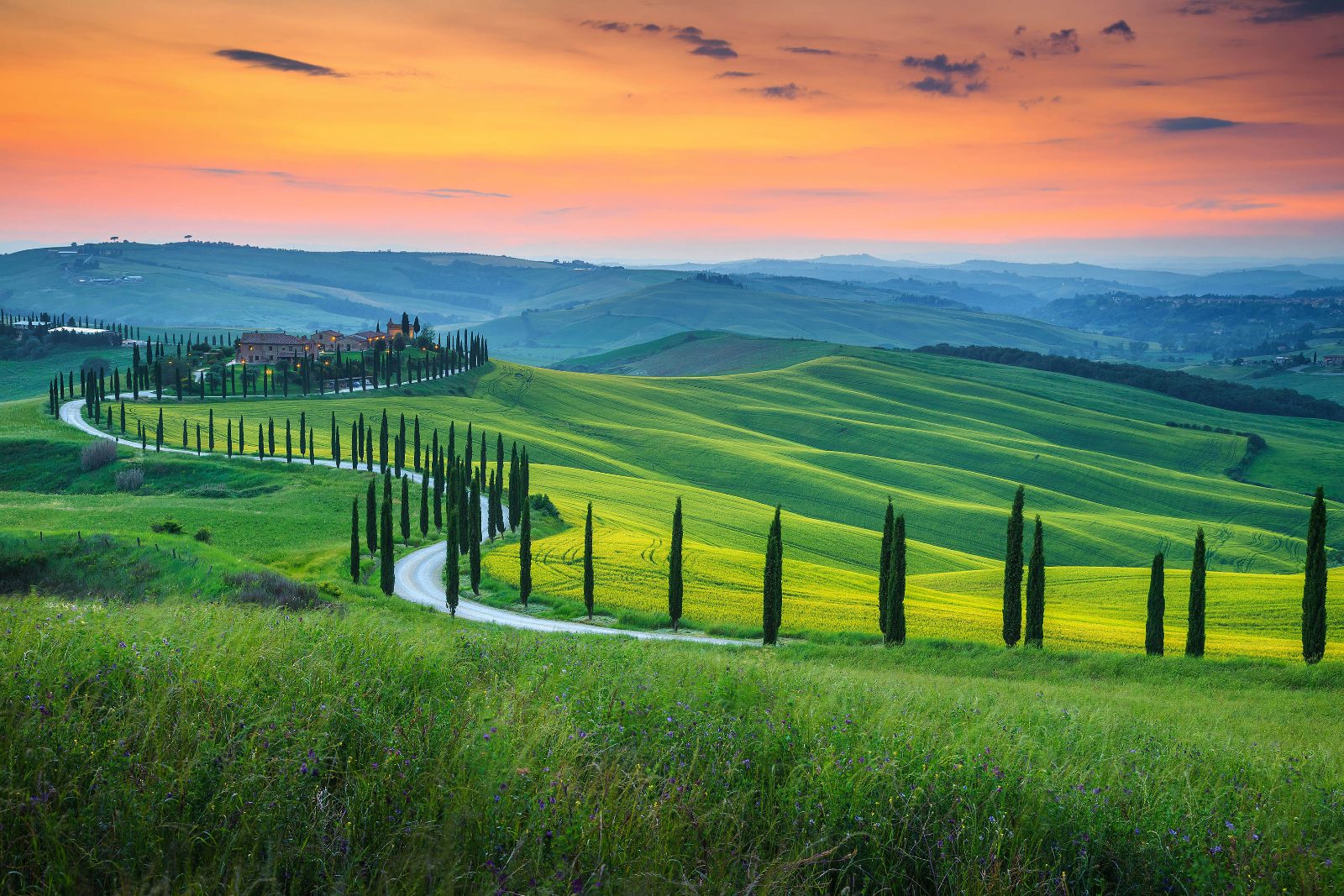
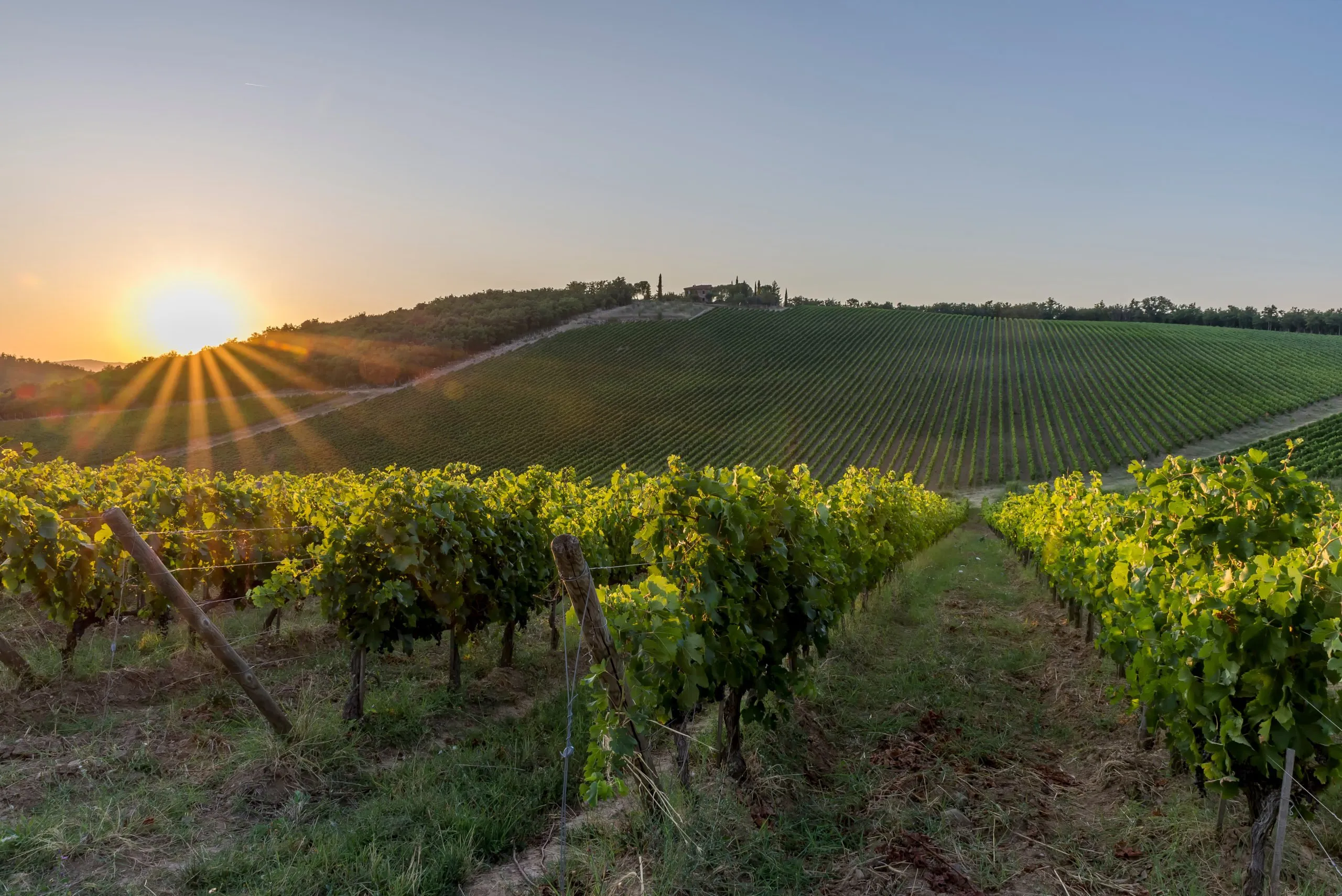
You meet your group near Santa Maria Novella as the city wakes, then board a climate-controlled minibus that threads south through the Porta Romana gate. Within twenty minutes the urban sprawl yields to ordered vine rows, each post strung with wire and every cluster of Sangiovese grapes turned toward the morning sun.
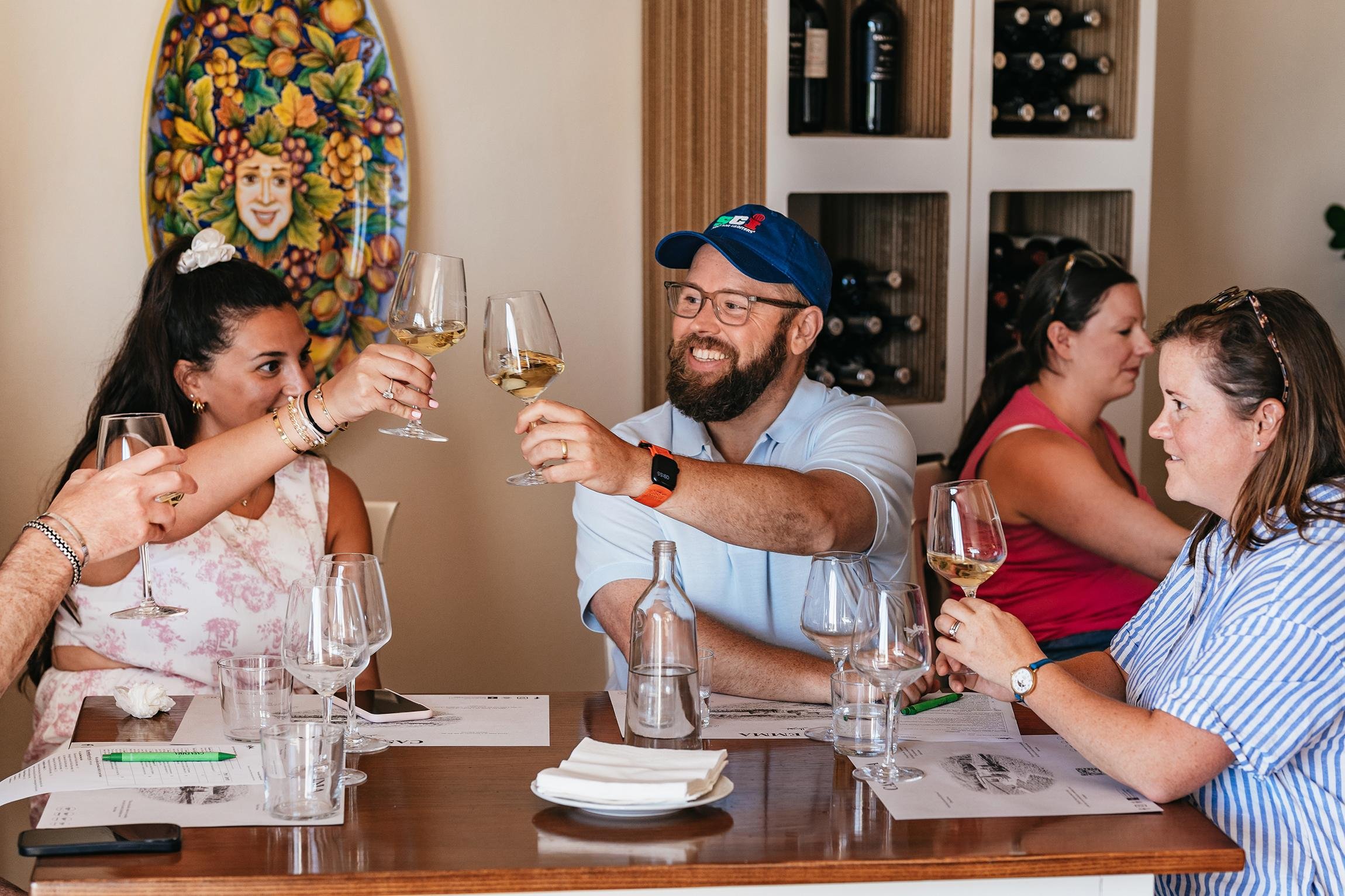
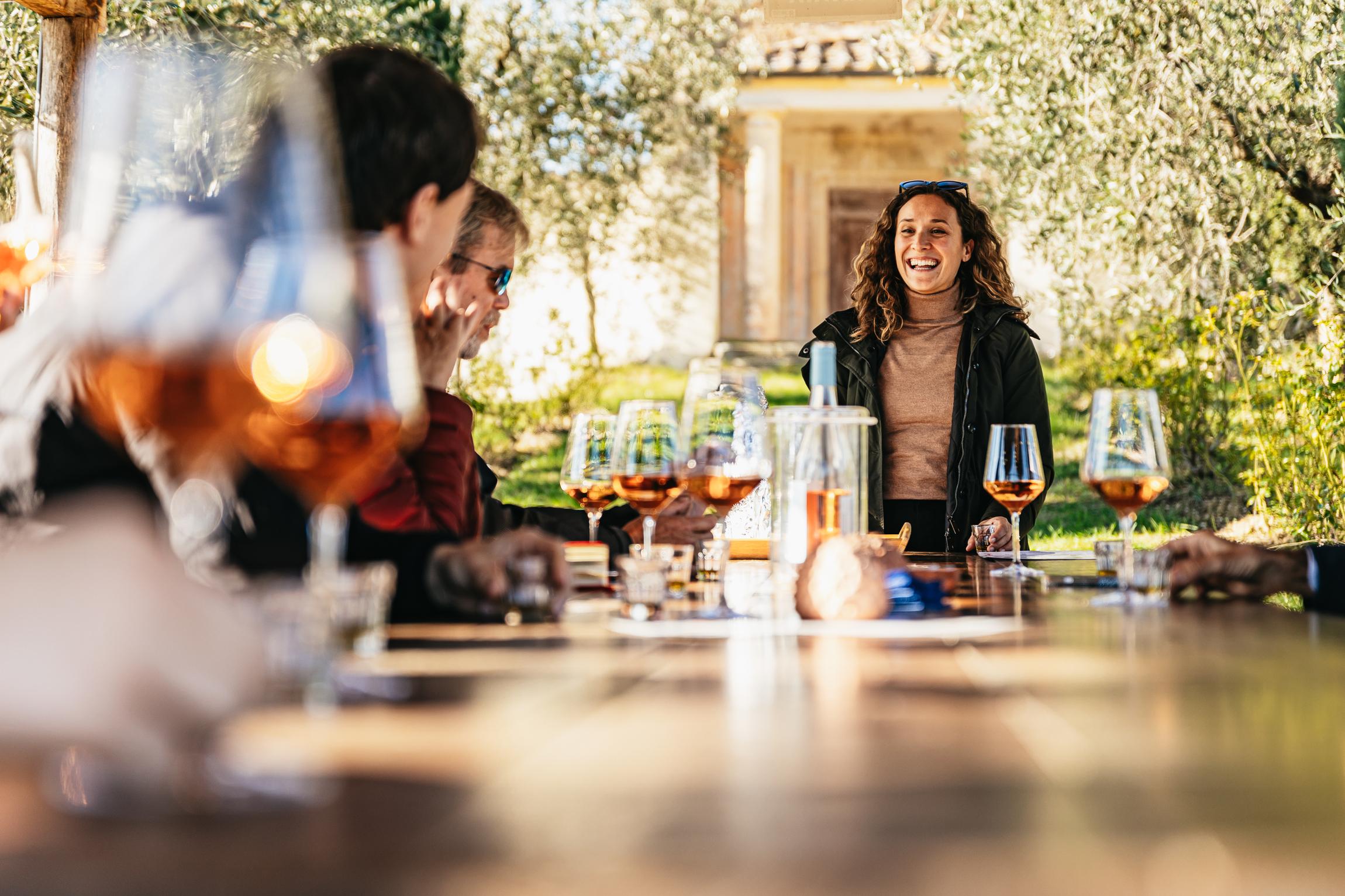
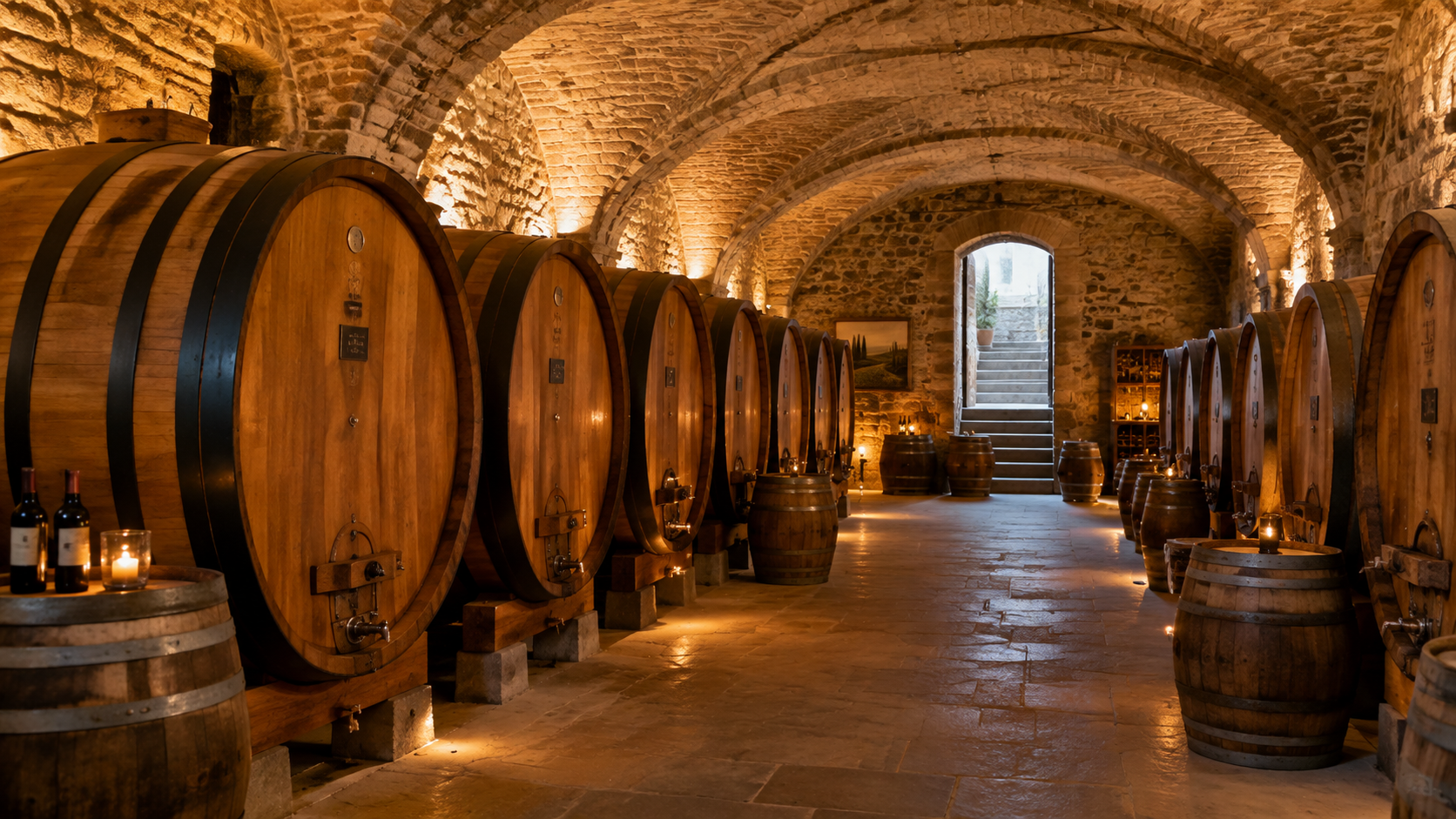
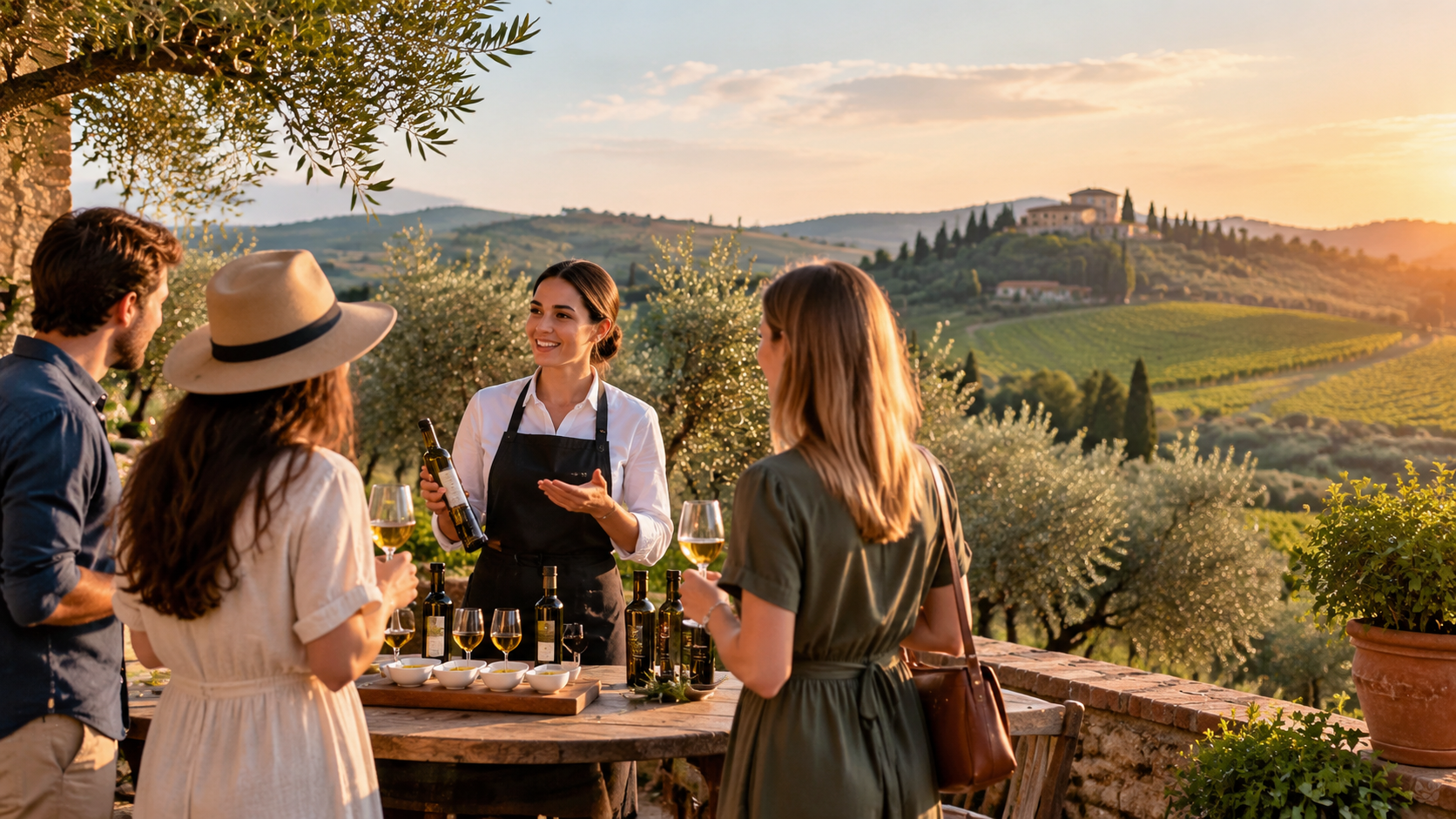
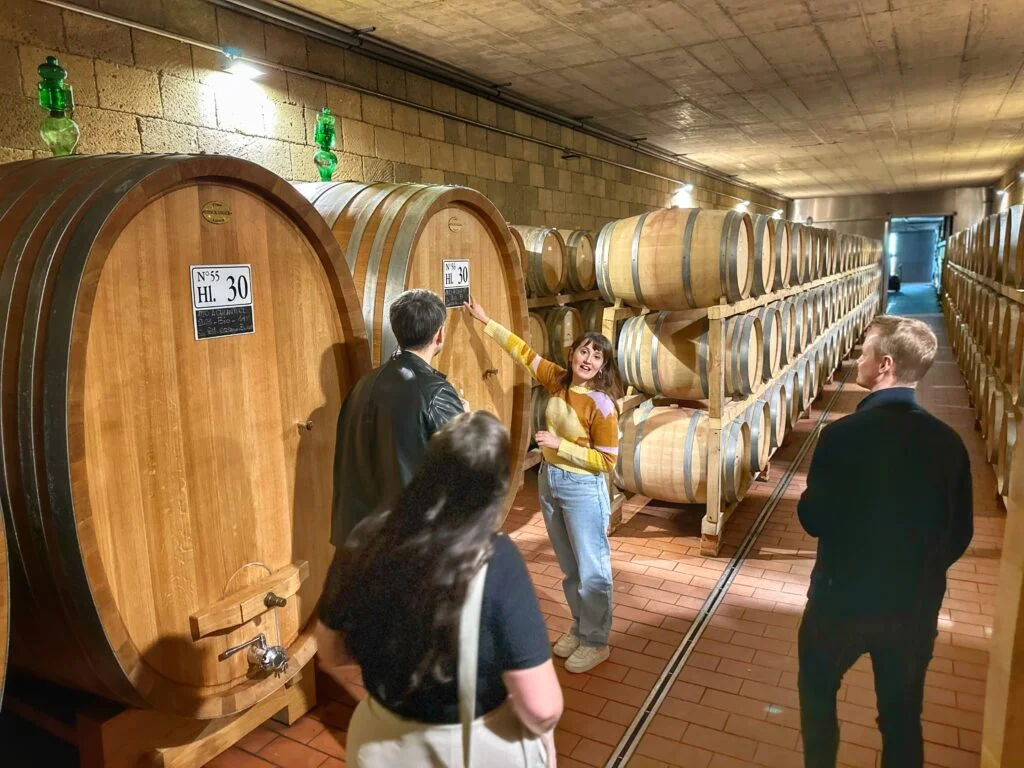
Your first stop is a family-run estate in Greve, where the winemaker walks you through barrel-lined cellars and pours three vintages—annata, superiore, riserva—explaining how oak and time layer tannin with fruit. You taste olive oil pressed last November, dipping bread into the peppery green liquid.
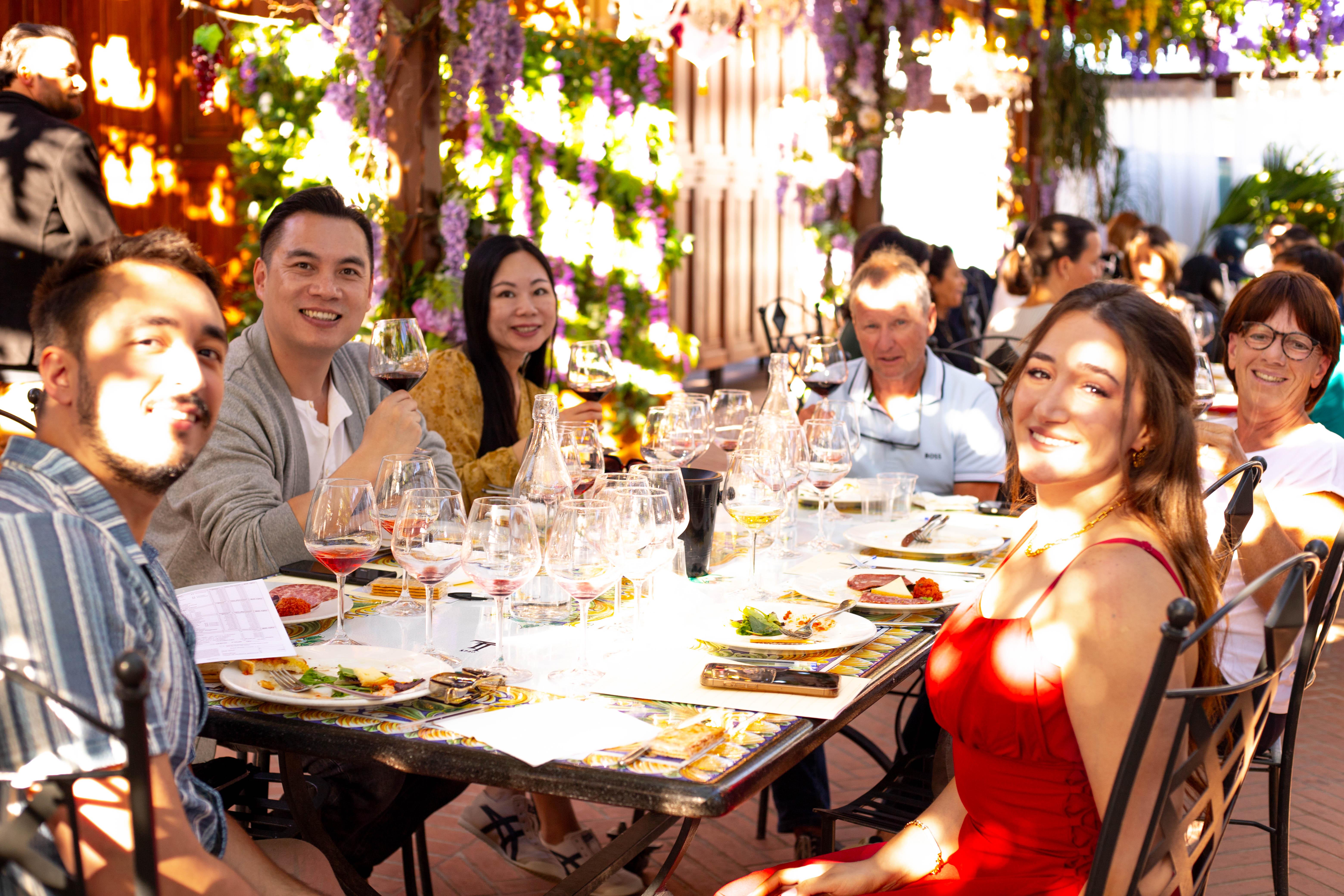
Mid-morning, the van climbs to San Gimignano. You have forty minutes to circle the Piazza della Cisterna, photograph the stone towers and sample Vernaccia at a cramped enoteca. Lunch unfolds at a second winery: antipasti of cured meats and aged pecorino, then pici pasta with wild boar ragù, paired with the estate's Gran Selezione. After the meal, you descend into the cantina for a final tasting, comparing a single-vineyard bottling with a regional blend. The return to Florence follows the Chiantigiana, golden light washing over hilltop hamlets and cypress sentinels. By six, you step back onto cobblestone, bottles clinking in your bag and the taste of Chianti still on your tongue.
All the details about your upcoming adventure in one place
The Chianti hills between Florence and Siena produce more than 8 million bottles annually under the Gallo Nero seal, yet only a fraction of the 7,200-hectare Classico zone opens its cellars to visitors.
The medieval Lega del Chianti—a 1384 military alliance among Radda, Gaiole and Castellina—gave the region its name, long before Sangiovese vines became synonymous with Tuscan viticulture. By the eighteenth century, Baron Bettino Ricasoli had codified the grape blend at Castello di Brolio, stipulating that at least 70 percent Sangiovese be used for wines bearing the Chianti name. Today, estates ranging from century-old family holdings to modernist cantinas dot the SS222 Chiantigiana, the ribbon of asphalt that threads through vineyard-clad slopes and cypress allées.
A chianti wine safari florence itinerary typically departs the Arno basin by 9 a.m., climbing into Greve, the self-proclaimed capital of Chianti Classico. Here, the triangular Piazza Matteotti hosts weekend markets where pecorino, wild-boar salumi and estate-bottled oils share trestle tables with ceramic amphora from Impruneta. Most tours call at two or three wineries: a traditional cantina storing wine in Slavonian-oak botti, and a contemporary cellar employing stainless steel and controlled fermentation. Guides explain the galestro soil—a crumbly marl rich in calcium and poor in organic matter—that stresses the vines into producing concentrated fruit. Tasting sessions compare a young annata with a multi-year riserva, the latter aged at least 24 months and displaying notes of sour cherry, leather and tobacco.
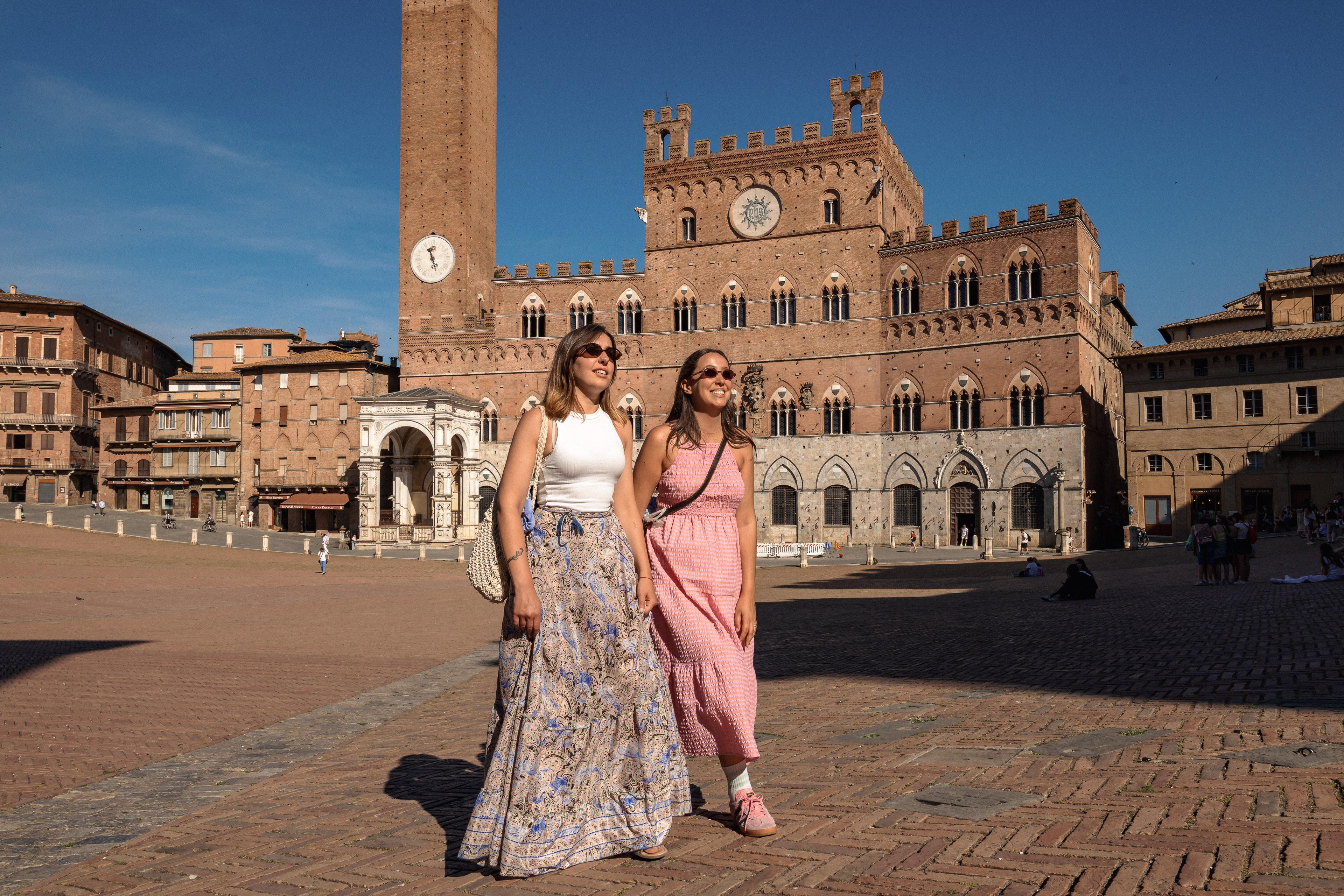
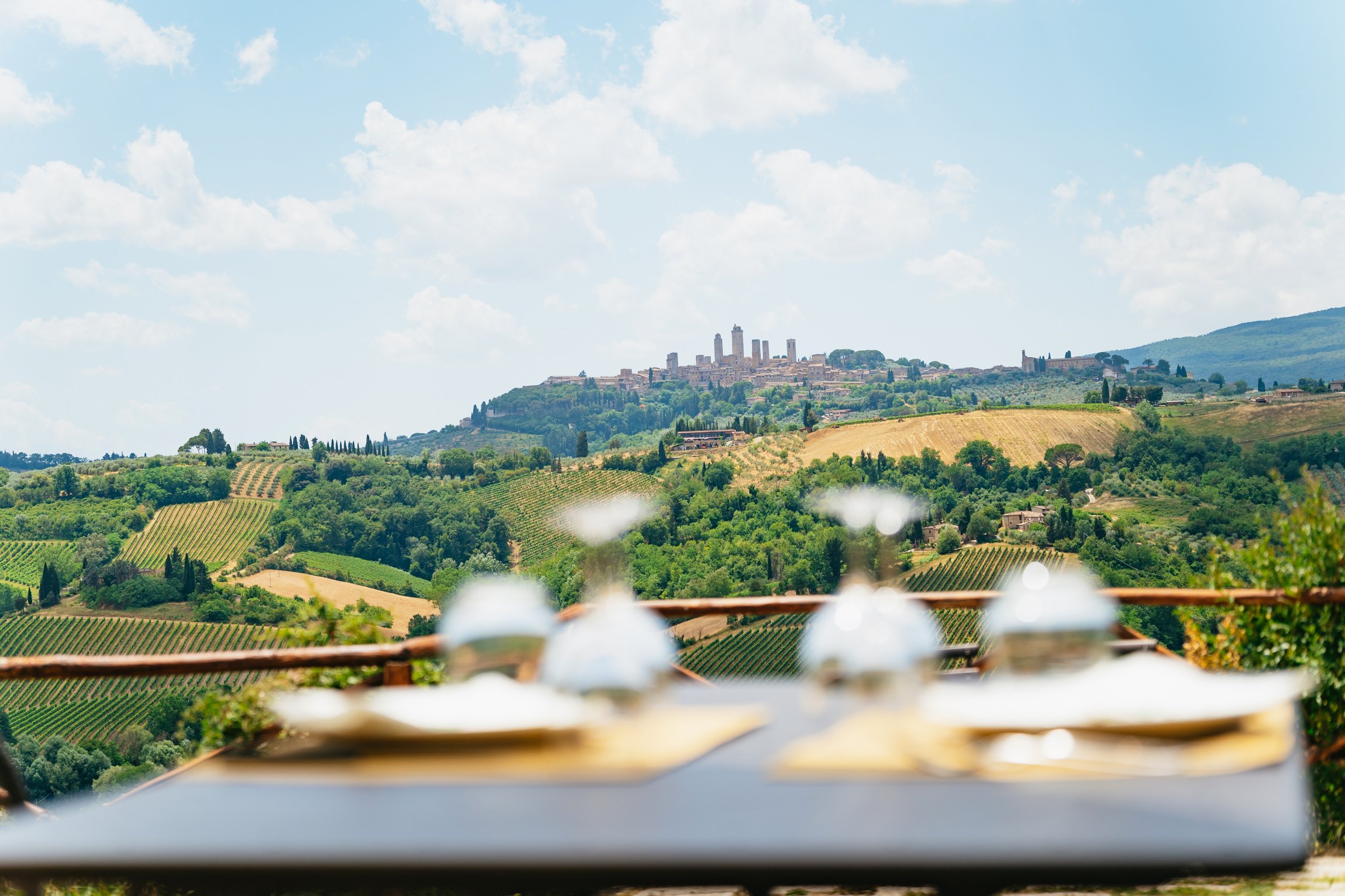
Beyond the vineyards, chianti wine safari florence tours often weave in medieval hill towns. San Gimignano's fourteen surviving towers—once seventy-two competed in a race to the sky—punctuate the Val d'Elsa skyline. Siena's Campo, a scallop-shell piazza that twice each summer hosts the Palio bareback horse race, offers a midday pause for ribollita or pappardelle al cinghiale. The route back to Florence descends through Panzano, where the Antica Macelleria Cecchini has turned bistecca fiorentina into performance art, and past the Badia a Passignano, an eleventh-century abbey whose cloisters now belong to the Antinori family. By evening, passengers return to the city with bottles of Chianti Classico Riserva and the memory of sunlight slanting through rows of gnarled vines, each October harvest a renewal of centuries-old ritual.

The galestro soil stresses the vines into producing concentrated fruit that defines Chianti's structure.
Casual and comfortable clothing is recommended for the Chianti wine safari Florence. Sturdy footwear is preferred for walking through vineyards and estates.
Small daypacks are acceptable for the chianti wine safari florence. Guests should keep personal belongings secure during transport between locations.
Photography is encouraged throughout the chianti wine safari florence tour. Please respect the privacy of winery staff and other guests while capturing images.
Families are welcome on the chianti wine safari florence, though age restrictions for wine tasting apply. Children must be supervised at all times during the vineyard visits.
Some vehicles used for the chianti wine safari florence may not be fully wheelchair accessible. Please verify vehicle specifications with the operator prior to booking.
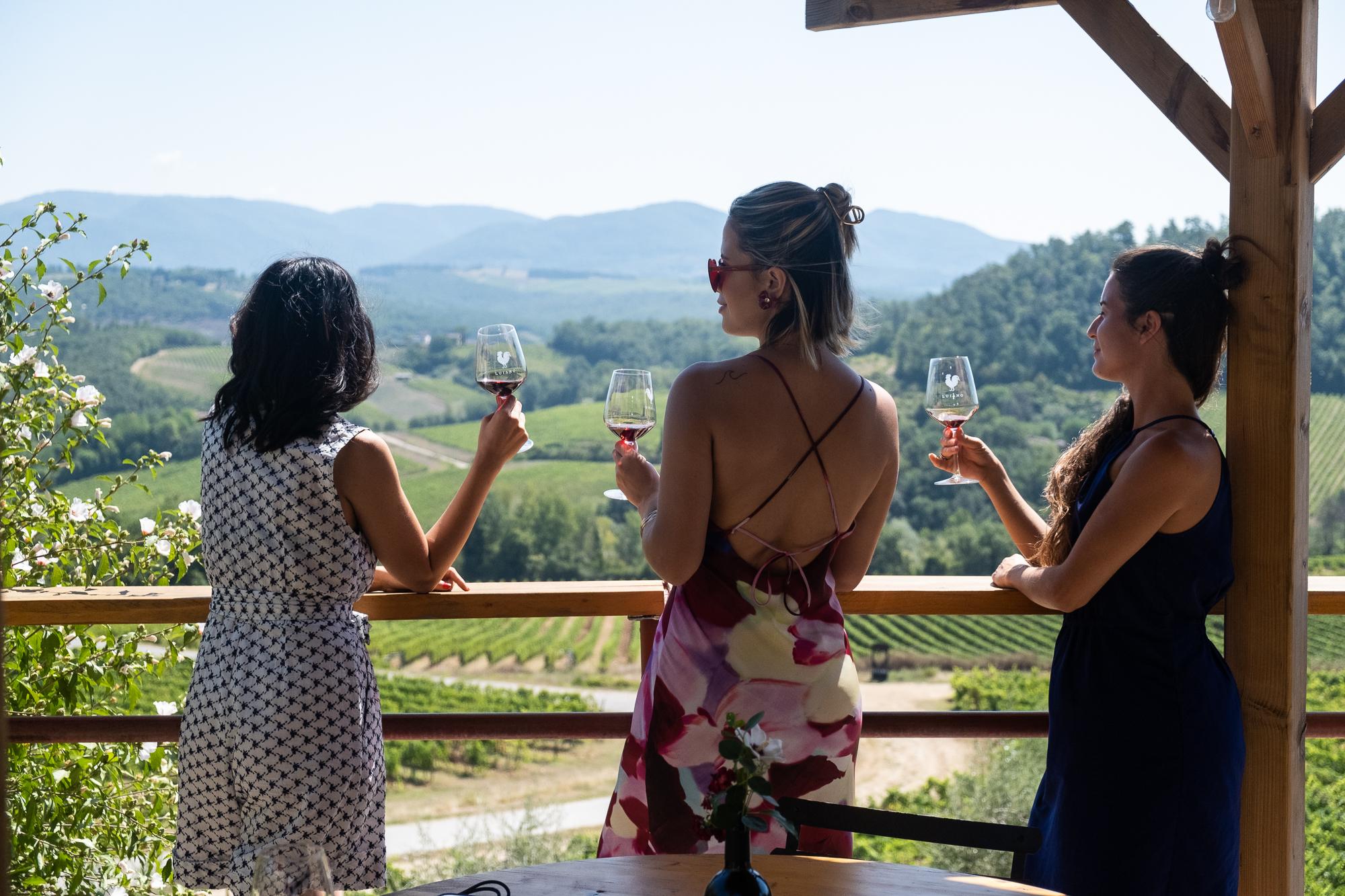
Lunch and wine tastings are typically included in the chianti wine safari florence experience. External food is generally not permitted during provided estate meals.
Opening Hours
Closed
Address
Florence, Italy
Accessibility
Varies by vehicle type
Best Arrival
09:00–09:00
Service Type
Private tour operator
Car · N/A · N/A
Rental vehicles provide the most flexibility for reaching local meeting points
Taxi · Varies · Varies
Professional transfer services offer direct transport to the city start point
Full refunds are typically available for cancellations made within the operator's specified window. As this is a private product, the entrance fee of 0 EUR does not apply to the tour cost.
Recommended time
Full day
A chianti wine safari florence experience typically requires a full day to account for transit through the rolling hills of Tuscany. Because this service is a pre-booked tour operator product, guests should arrange travel to meet departure points promptly. You can secure chianti wine safari florence tickets online, while those seeking shorter excursions might look into a specialized chianti wine safari florence tour to optimize their schedule. These chianti wine safari florence tours focus on vineyard logistics and cellar access, so plan accordingly to ensure you return to the city by evening.
Crowd levels through the day
Weather · crowds · average price — dots go green to amber to red as each metric rises.
Mild temperatures and green landscapes define this period for a chianti wine safari florence. It is an ideal time for photography in the rolling hills.
Expect warmer weather and peak harvest activity during the chianti wine safari florence tours. Early mornings are best to avoid the afternoon heat.
The harvest season makes this the most popular time for a chianti wine safari florence visit. Colors in the vineyards turn vibrant gold and red.
Service availability is limited during this quieter season for chianti wine safari florence operations.
Secure your chianti wine safari florence tickets weeks ahead to ensure availability. Popular dates sell out during the harvest season.
Drink plenty of water throughout the chianti wine safari florence excursion. The Tuscan sun can be intense during midday activities.
Morning air in the hills is crisp even when afternoons are warm. Layers ensure comfort for the entire chianti wine safari florence tour.
Listen closely to the instructions provided during the chianti wine safari florence for safety. Experts provide valuable context about the viticulture process.
Review your chianti wine safari florence confirmation for the exact meeting time. Arriving at the location early helps avoid transit delays.
The Chianti wine safari Florence tours trace their roots to the medieval trade routes that connected Tuscan hill towns with the mercantile capital of Florence. By the thirteenth century, Florentine merchants had established formal guilds to regulate wine commerce, and the rolling hills between Florence and Siena became dotted with castle estates producing red wine under inconsistent rules. In 1398, the Republic of Florence issued one of Europe's first geographic wine boundaries, defining a small zone around the villages of Castellina, Radda, and Gaiole as the original Chianti League. This early attempt at appellation control collapsed during the wars of the fifteenth century, leaving production fragmented among feuding noble families. The modern identity of Chianti crystallized in 1716 when Grand Duke Cosimo III de' Medici published an edict delineating four official production zones, making Chianti one of the world's first legally protected wine regions. Baron Bettino Ricasoli, often called the father of Chianti Classico, spent decades in the mid-1800s at Castello di Brolio perfecting the blend formula of Sangiovese, Canaiolo, and white Malvasia grapes that became the regional standard. His scientific approach transformed Chianti from rustic table wine into an export product, though quality remained uneven. The straw-covered fiasco bottle, introduced in the early twentieth century, became the international symbol of Chianti but also trapped the wine in a cheap-and-cheerful reputation. Devastating phylloxera outbreaks in the 1880s and two world wars nearly extinguished the region's winemaking culture. Recovery began in the 1960s when a new generation of vintners replanted vineyards and lobbied for stricter quality standards. The Chianti Classico consortium formed in 1924 adopted the black rooster emblem, and in 1967 Italy's DOC system codified production rules. Modern chianti wine safari florence experiences emerged in the 1990s as agriturismo laws encouraged estates to open tasting rooms and cellar tours. Today the region produces over thirty million bottles annually, and the Safari Toscana format—combining vineyard walks, cellar visits, and multi-estate tastings—has become the signature way international visitors explore this historic landscape.
Republic of Florence defines the original Chianti League boundary around three villages.
Grand Duke Cosimo III issues Europe's first protected wine appellation edict for four Chianti zones.
Baron Bettino Ricasoli develops the Sangiovese-dominant blend formula at Castello di Brolio.
Chianti Classico consortium adopts the black rooster symbol and begins quality enforcement.
Italy establishes DOC system, codifying Chianti production rules and aging requirements.
Agriturismo laws permit estates to host tastings, launching the modern chianti wine safari florence tour industry.
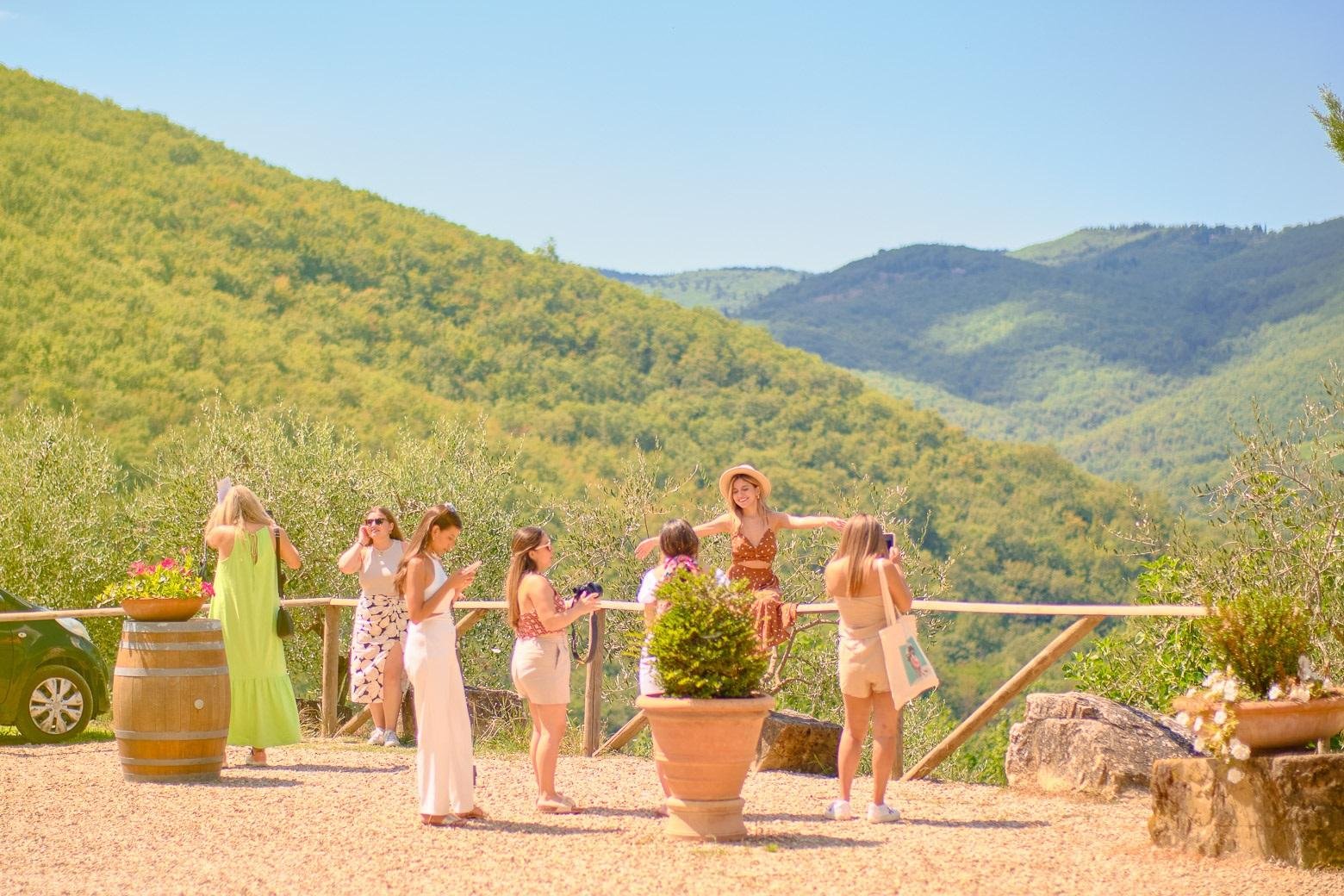
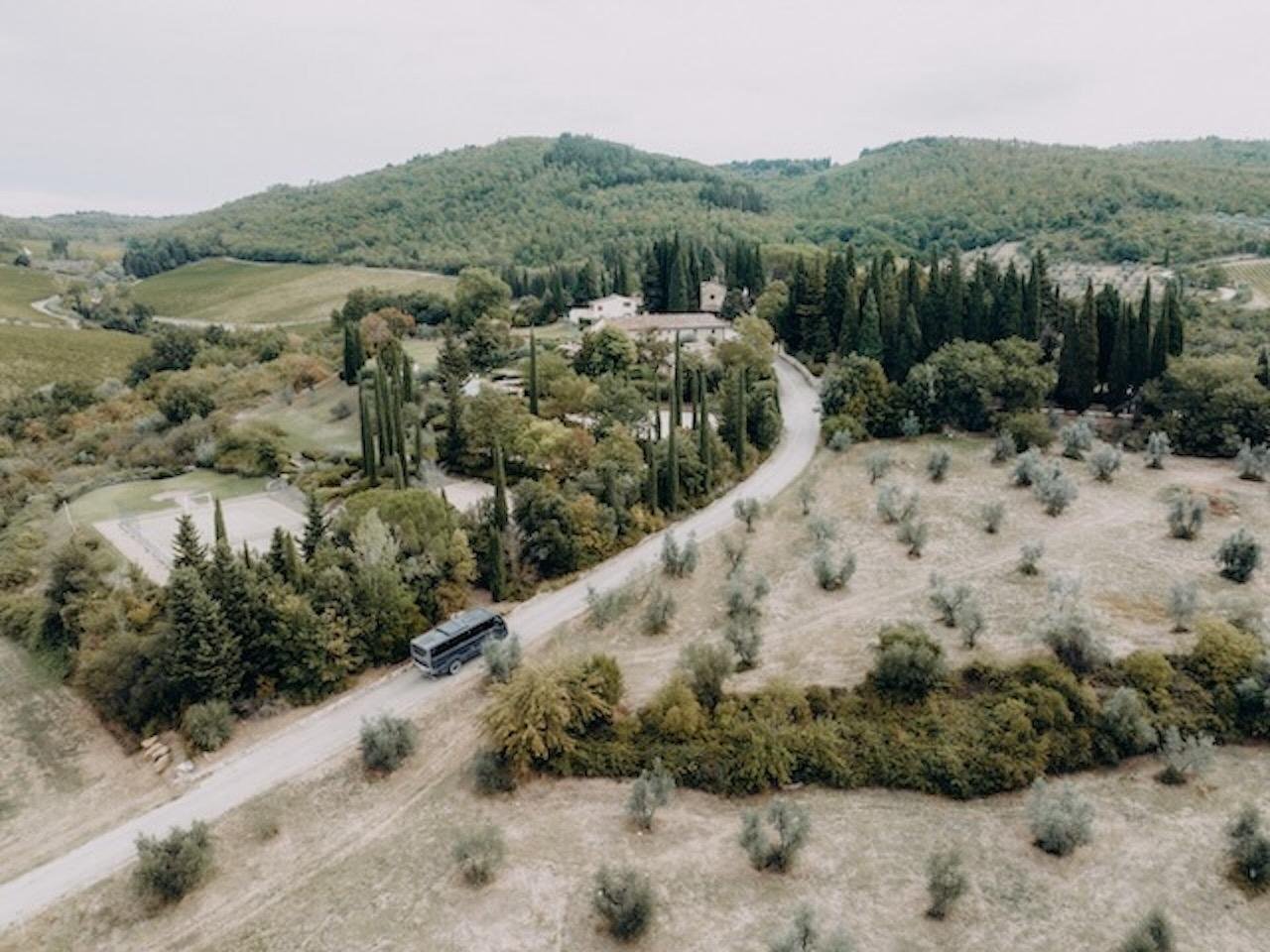
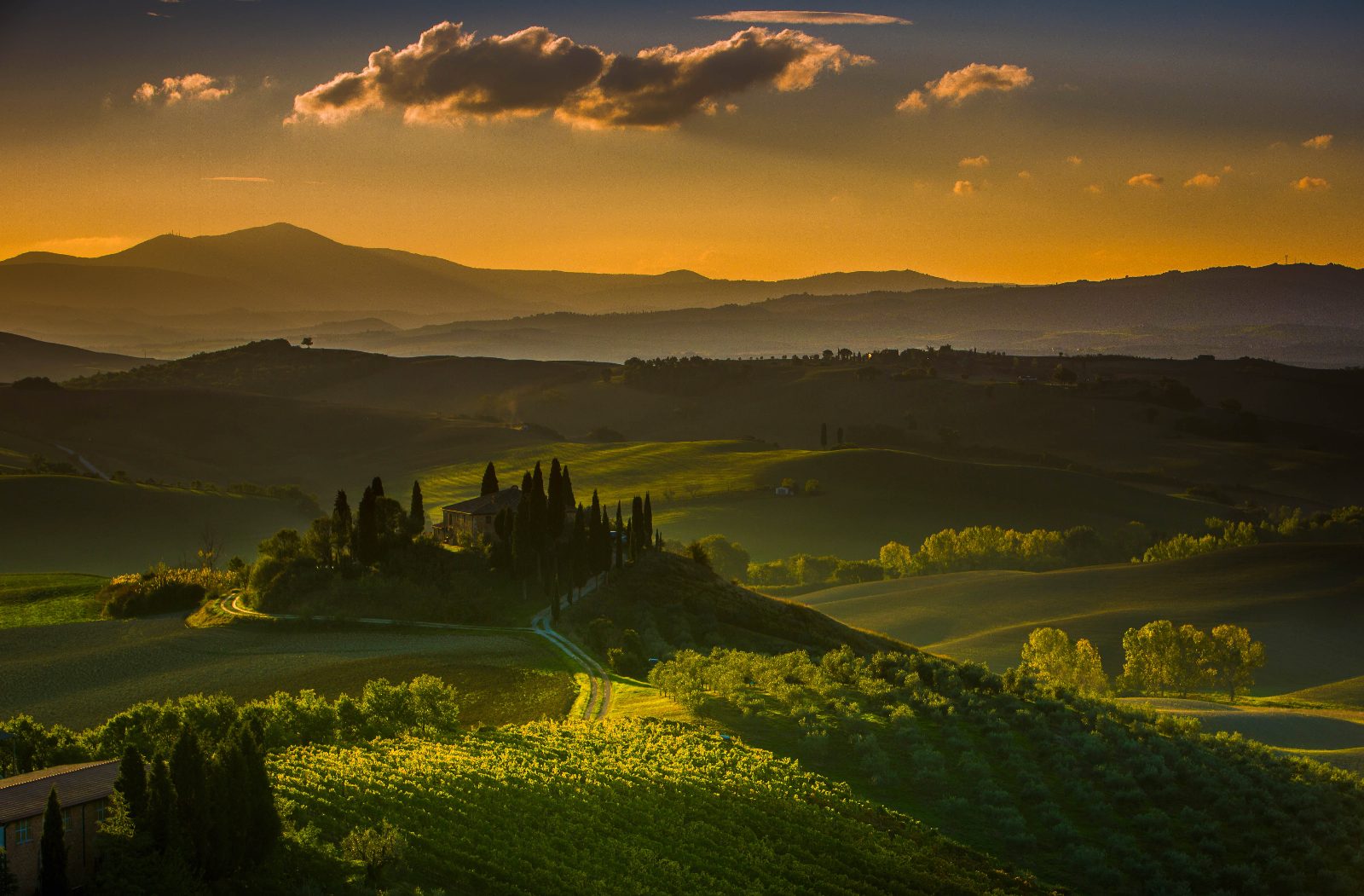
This elevated position offers a view over the cypress-lined drive and ancient abbey walls. Stand near the stone balustrade to capture the rolling hills during a chianti wine safari florence excursion.
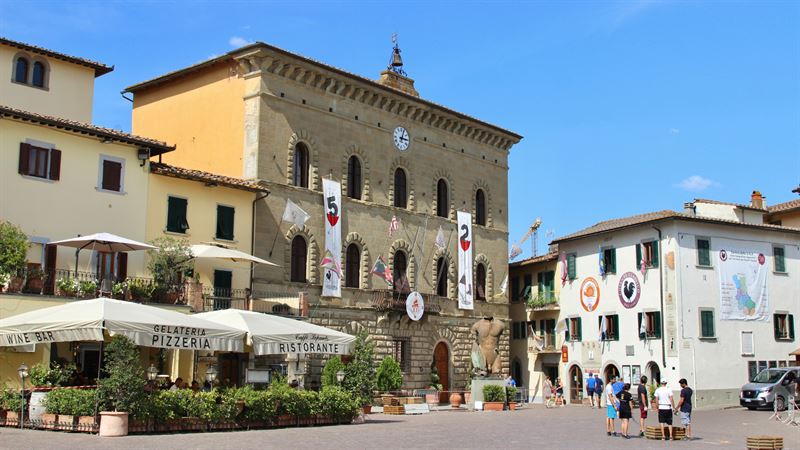
The triangular piazza provides a rustic backdrop of traditional porticos and local market stalls. Position your camera at eye level near the center to frame the historic architecture often featured on a chianti wine safari florence tour.
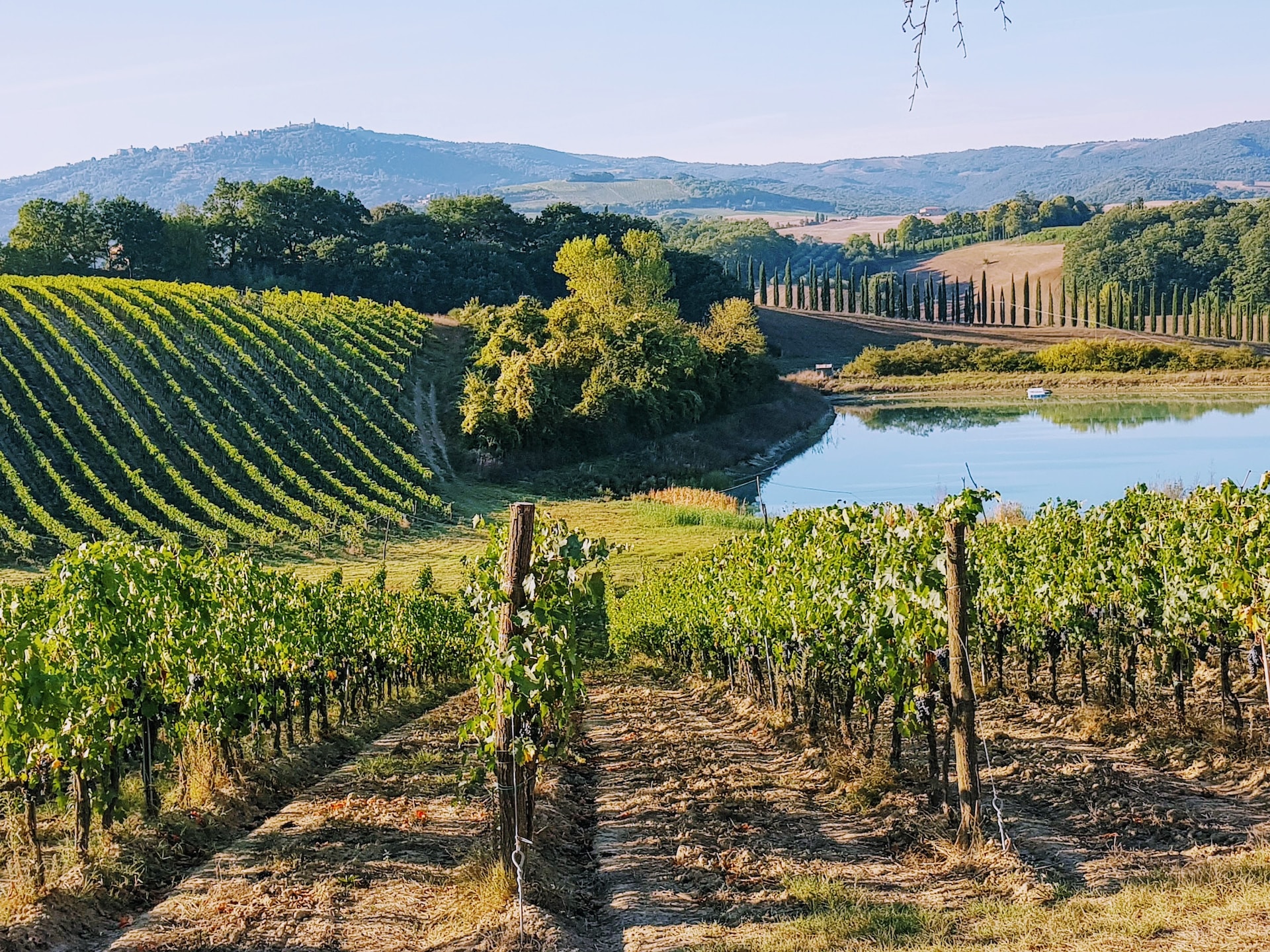
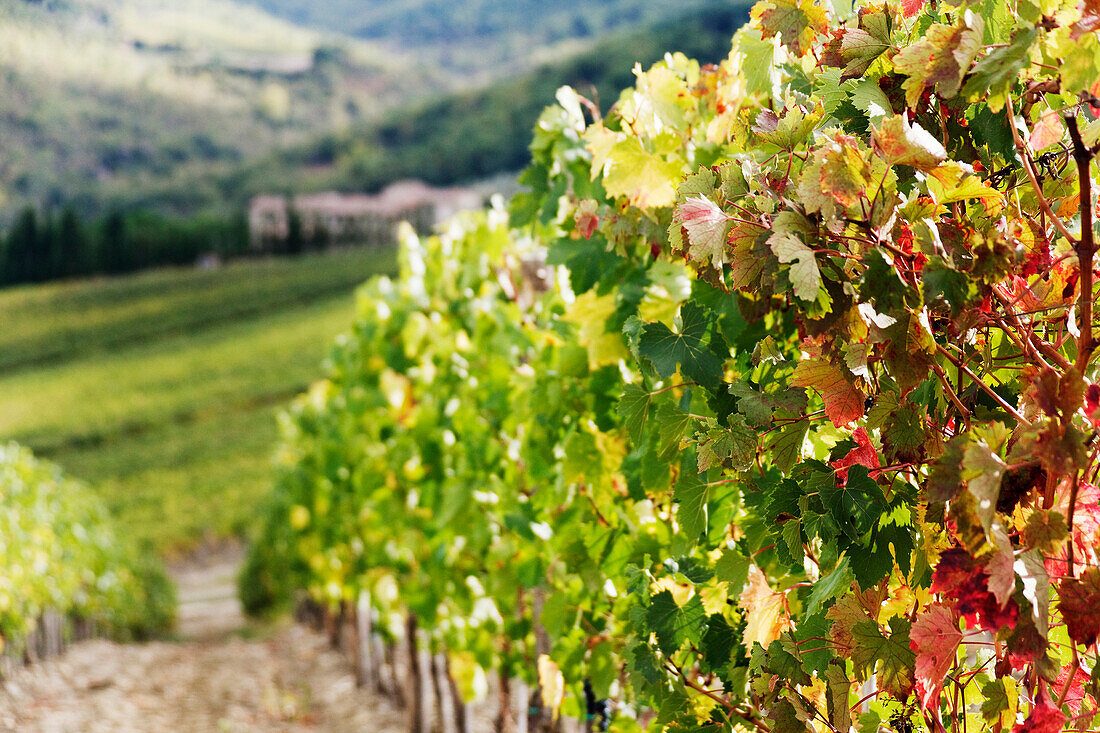
These structured vine lines create leading diagonal patterns toward the Tuscan horizon. Visit during a chianti wine safari florence to access private rows and shoot between the grape clusters.
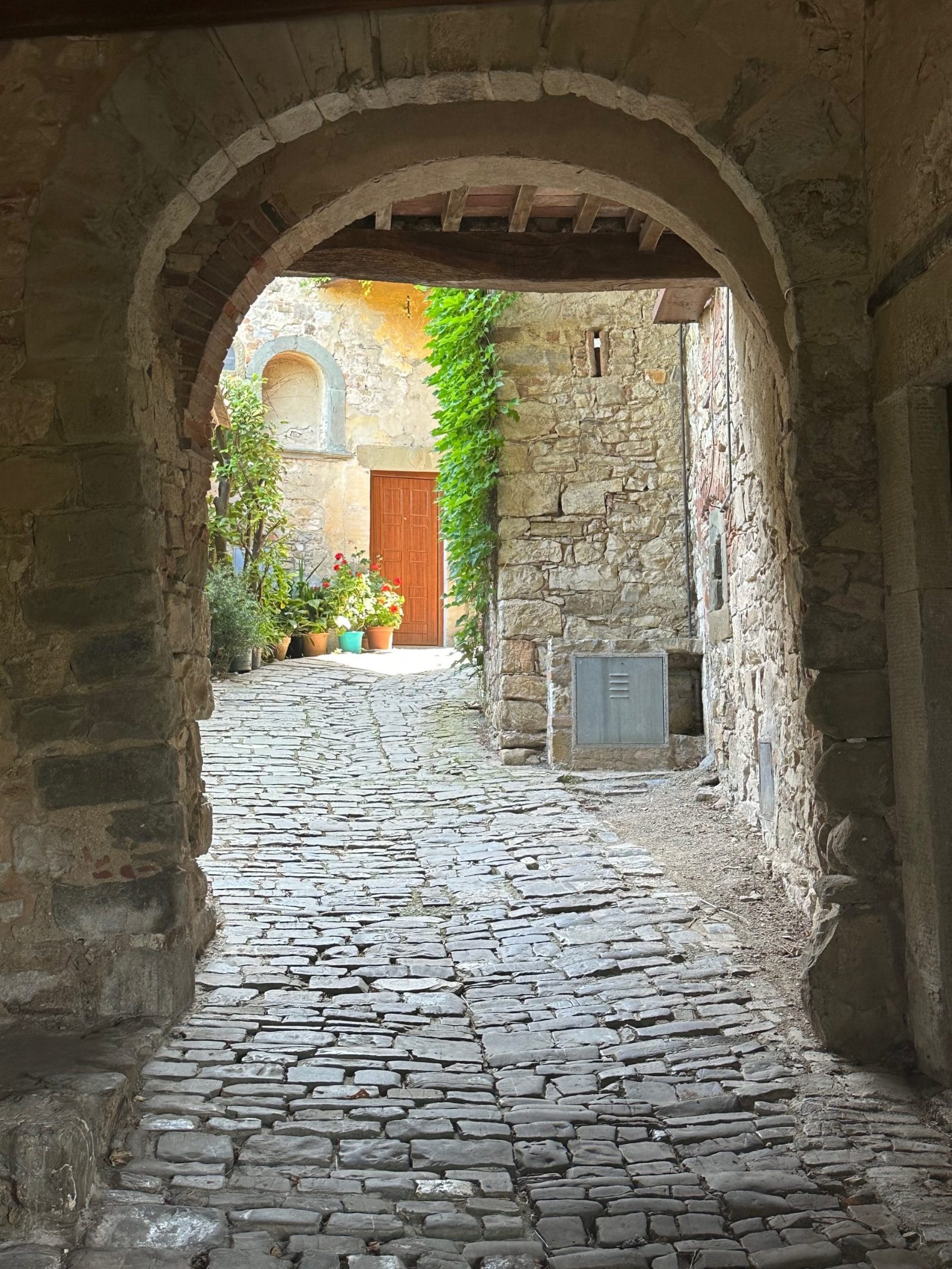
The medieval stone entrance provides a frame for the narrow, flower-lined cobblestone streets. Capture this classic perspective when joining chianti wine safari florence tours to ensure optimal timing.
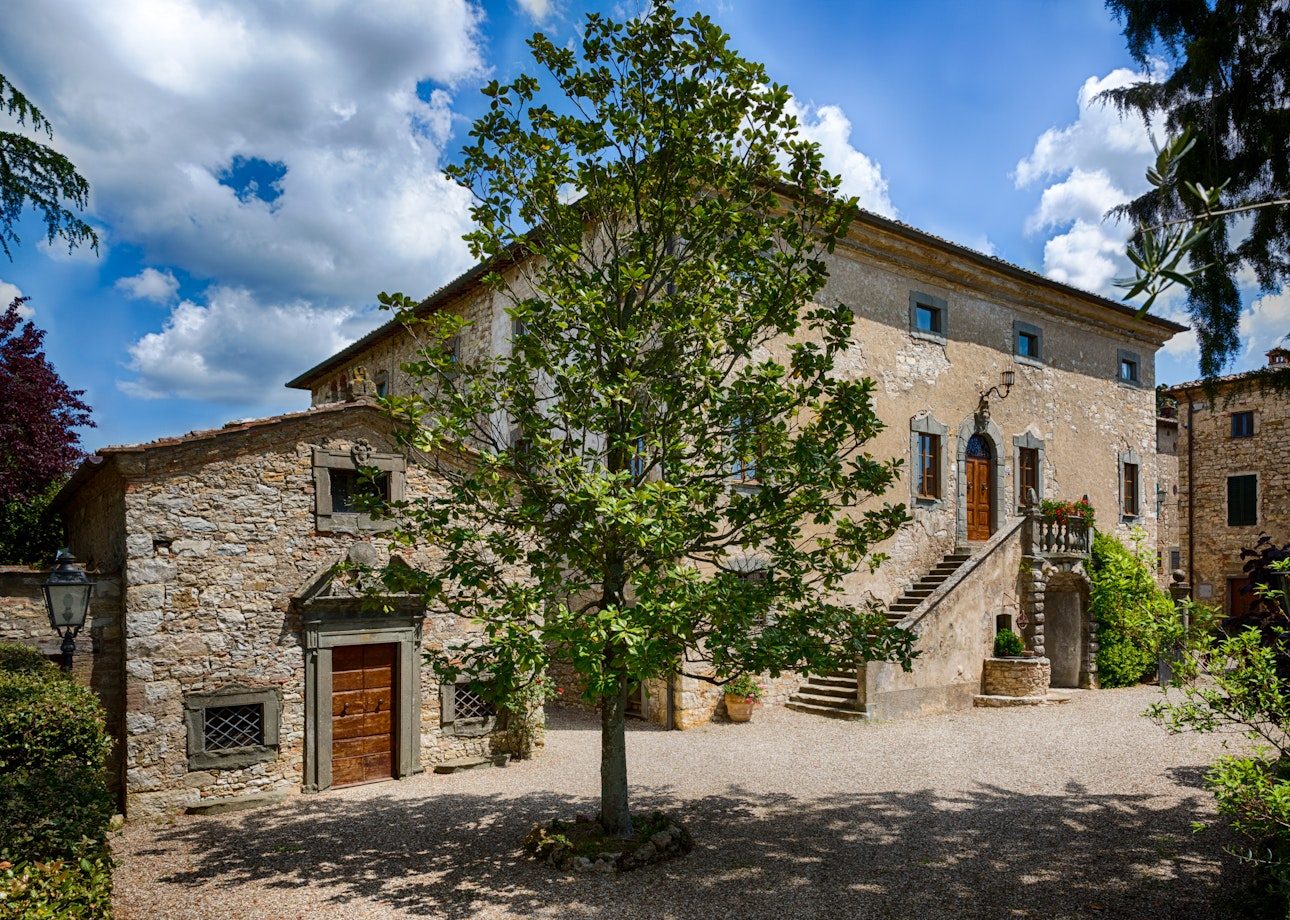
This space combines contemporary art installations with historic farmhouse textures. Use the framing of the courtyard arches to capture the contrast for your chianti wine safari florence tickets gallery.
Planning a chianti wine safari florence experience with children requires careful consideration of vehicle accessibility and tour pacing. Navigating the rolling hills of this Italian region involves transport-heavy itineraries that may differ significantly from traditional sightseeing.
Off-road safari vehicles generally cannot accommodate bulky strollers, so parents should bring compact carriers for younger children. These chianti wine safari florence tours traverse uneven terrain where wheels are impractical.
This activity is best suited for older children and teenagers who can manage extended time in transit and quiet periods during tastings. Toddlers may find the lack of play space during the chianti wine safari florence ticket duration challenging.
There are no public visitor facilities at the departure points, as service is a pre-booked tour operator product with no fixed physical visitor site. Families should ensure all personal needs are met before joining the excursion in Florence, Italy.
The schedule involves significant travel time through the countryside rather than static exhibits or playgrounds. Parents should prepare for a full-day commitment when booking these local vineyard excursions.
Most stops focus on adult-oriented tasting menus rather than child-specific dining options. It is advisable to pack preferred snacks and drinks for younger travelers to supplement the rustic offerings provided at the wineries.
Since your chianti wine safari florence is a pre-booked experience, dining is typically integrated into the itinerary at authentic Tuscan estates rather than found at a fixed physical location. These chianti wine safari florence tours often feature rustic, farm-to-table lunches highlighting regional olive oils and local viticulture.
Located in a historic abbey, this venue offers refined pairings that complement a typical chianti wine safari florence tour menu with seasonal ingredients.
Situated within the Antinori nel Chianti Classico complex, this spot provides panoramic vineyard views perfect for those using chianti wine safari florence tickets to explore the region.
Nestled in the heart of the countryside, this traditional kitchen serves hearty pasta and grilled meats, reflecting the rustic character found on any Chianti excursion.
Famed for its butchery tradition in Panzano, this culinary landmark offers a communal dining experience that defines the regional flavor profile of Tuscan food culture.
Everything you need to know for your journey
The service operates as a private tour operator and does not have physical opening hours. Please check your booking details for scheduled activity times.
Accessibility varies by vehicle used for the chianti wine safari florence. Please inquire with the operator about specific physical requirements.
Yes, booking chianti wine safari florence tickets in advance is required to confirm your spot. The service is not a walk-in attraction.
Comfortable attire and sturdy shoes are best for the chianti wine safari florence. The terrain in vineyards can be uneven.
Children are welcome on the chianti wine safari florence tour. Note that wine tasting is only for adults and local age laws apply.
Meals are typically provided during the chianti wine safari florence. Please check your tour inclusions to see if additional food is needed.
The chianti wine safari florence departs from central locations in Florence, Italy. The exact point is provided upon booking confirmation.
Photography is welcome on the chianti wine safari florence, but drones are strictly prohibited. Always respect the private winery grounds.
Cancellations for the chianti wine safari florence should be made according to the operator's specific window. There is no entrance fee of 0 EUR involved.
Bring water, sunscreen, and a valid ID for your chianti wine safari florence. Comfortable walking shoes are also highly recommended.
Historical stone bridge across the Arno river. It is a famous symbol of Florentine architecture.
Massive cathedral known for the iconic dome. It anchors the city skyline and local history.
Renowned art museum housing classic Renaissance masterpieces. It is near the city center hub.
Hilltop square offering panoramic views of the city. It remains a popular spot for sunset viewing.
Historic hotel located in the city center
Join thousands of happy travelers who have discovered this incredible experience
Book Your Experience Now