5 hr
Chianti Wine Country Experience from Florence
- Entry ticket
- Mobile voucher
- Valid same day
- Free cancellation
Chianti Food and Wine Safari — Vineyard Estates & Tuscan Flavors
Rolling hills, oak-aged Sangiovese, and rustic tables under the vines
Compare fares, pick the fit — all bookings are mobile-voucher and eligible for free cancellation where shown.
5 hr
4 hr 30 min
6 hr
| Experience | From | Duration | Rating | Transfers | Small group | Free cancel. | Price | |
|---|---|---|---|---|---|---|---|---|
|
Standard Entry
Most popular
Chianti Wine Country Experience from Florence
|
Florence | 5 hr | ★ 4.5 | ✓ | ✓ | ✓ | €50 | Book → |
|
Standard Entry
Tuscany Wine Discovery: Two Estate Tour from Florence
|
Florence | 4 hr 30 min | ★ 4.9 | ✓ | ✓ | ✓ | €89 | Book → |
|
Guided Experience
Chianti Wine Tour with 2 Wineries from Florence
|
Florence | 6 hr | ★ 4.5 | ✓ | ✓ | ✓ | €48 | Book → |
Worth it for convenience, skippable for independent travelers
A chianti food and wine safari delivers curated access to hillside estates and structured tastings without navigating narrow Tuscan roads yourself. The available tours range from focused two-winery experiences to full-day itineraries that combine San Gimignano, Siena, and vineyard stops. You pay for the logistics—roundtrip transport from Florence, pre-arranged cellar visits, and a guide who handles reservations and timing. Independent travelers can rent a car and visit the same estates for less, but they absorb the planning burden and risk missing tasting slots at boutique wineries that require advance booking. The tours work best for first-time visitors who want guaranteed access to Chianti Classico producers and don't want to coordinate multiple stops across hilly terrain. If you value spontaneity or already know the region's geography, the structured format and group pacing may feel restrictive. The wine-only chianti food and wine safari tours focus solely on tastings, while combination itineraries add medieval towns but compress vineyard time.
Bottom line: Chianti food and wine safari tickets pay off when convenience and curated access outweigh the premium over independent exploration.
Choosing between these chianti food and wine safari tours and a standard winery excursion depends on whether you prioritize off-road adventure or deep-dive educational sessions at historic estates.
|
Top pick Chianti Safari |
Standard Winery Tour | |
|---|---|---|
| Transport Type | 4x4 Off-road vehicle | Minivan or coach |
| Primary Focus | Off-road adventure and scenery | In-depth wine education and history |
| Wineries Visited | Typically two | Two to three |
| Lunch Style | Traditional Tuscan farmhouse/winery | Typically sit-down winery meal |
| Duration | Full-day (approx. 9 hours) | Half-day to Full-day (5–9 hours) |
| Group Size | Usually larger groups | Small group (8–25 people) |
| Dietary Flexibility | Fixed menu; limited | Often accommodates requests |
| See tickets & prices |
Verdict: The chianti food and wine safari tour is the ideal choice for travelers seeking a rugged, outdoor Tuscan experience, whereas a standard winery tour is better for those focused on learning the nuance of viticulture.
Hand-picked experiences loved by thousands of travelers
12 hours
Free Cancellation
Full-day journey through Tuscany's medieval treasures with traditional lunch and Chianti countryside views
11 hours
Free Cancellation
Full-day Tuscan adventure visiting hilltop towns, savoring local wines, and enjoying a traditional lunch
5 hours
Free Cancellation
Journey through Tuscany's legendary wine country with vineyard walks, cellar tours, and tastings at two organic estates
6 hours
Free Cancellation
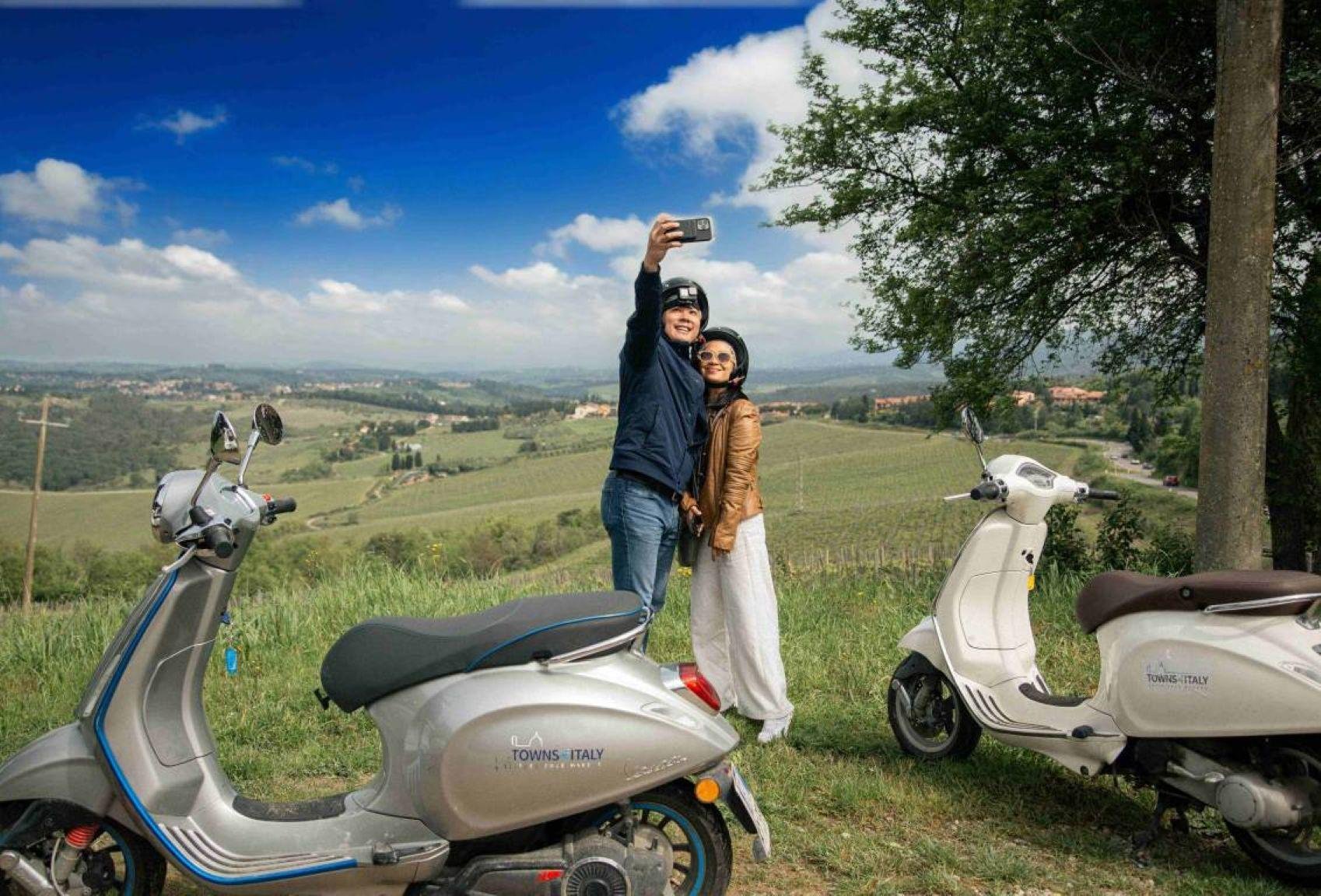
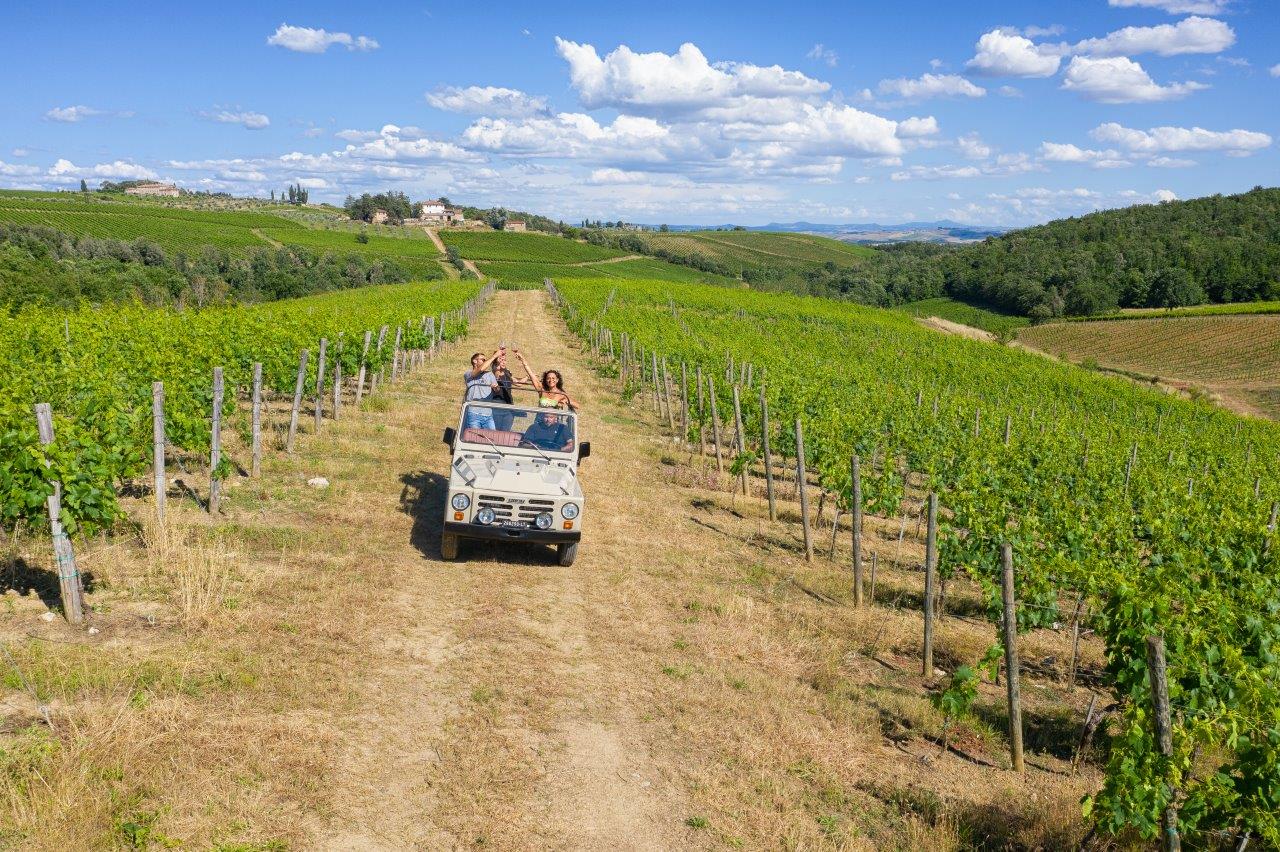
Cruise through Tuscany's vineyards and hilltop villages on a Vespa or electric car, then savor Chianti wines and a farm lunch
7 hours 30 minutes
Free Cancellation
Journey through Chianti's organic vineyards with tastings, village visits, and authentic cuisine
5 hours
Free Cancellation
Explore three renowned wineries, savor a traditional three-course meal, and discover olive oil secrets in Tuscany's iconic wine region.
5 hours
Free Cancellation
Explore Tuscan vineyards, sample seven wines, and savor local delicacies on this half-day escape
6 hours
Free Cancellation
Escape to the rolling vineyards of Chianti for wine tasting, medieval hamlets, and a farm-to-table lunch
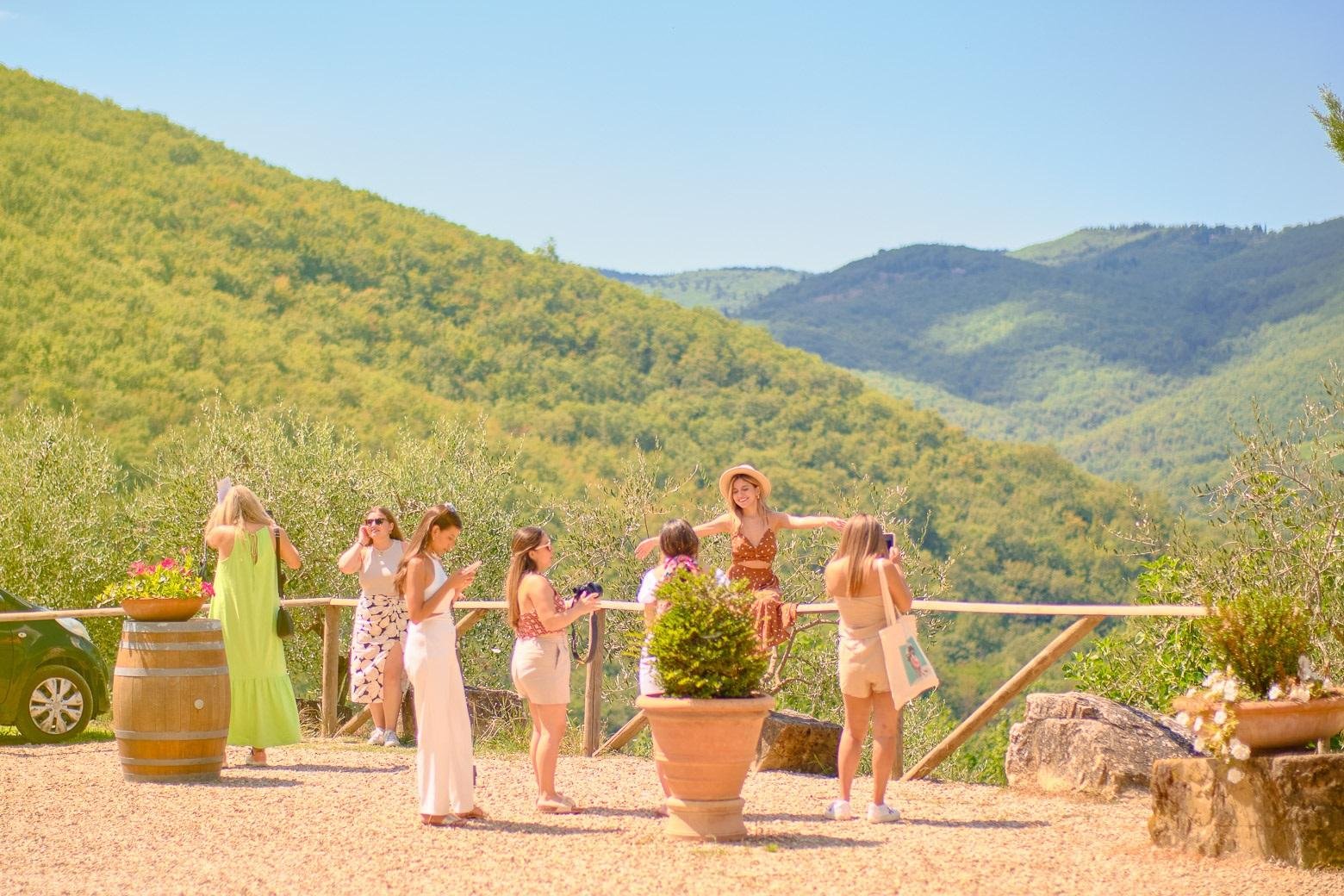
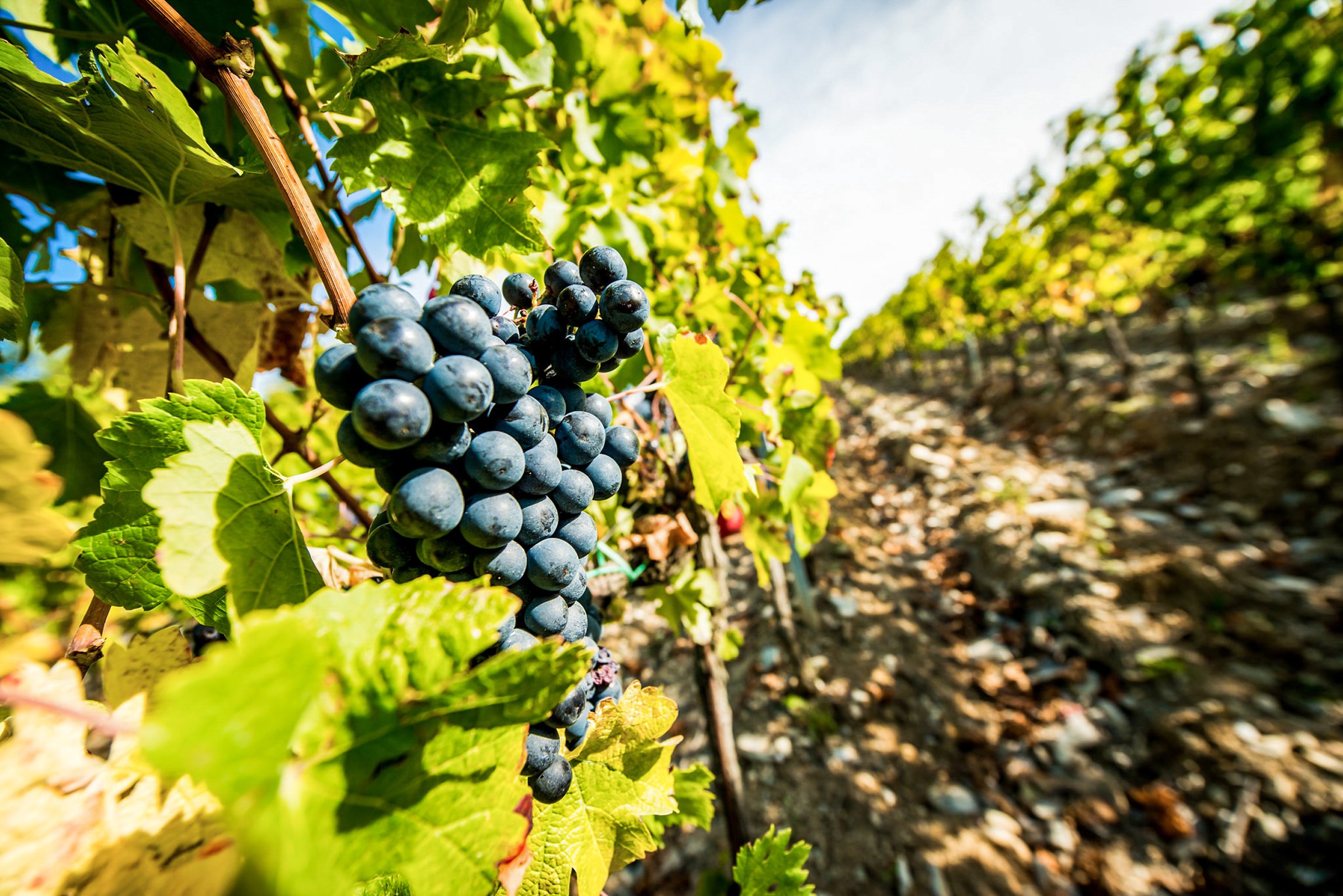
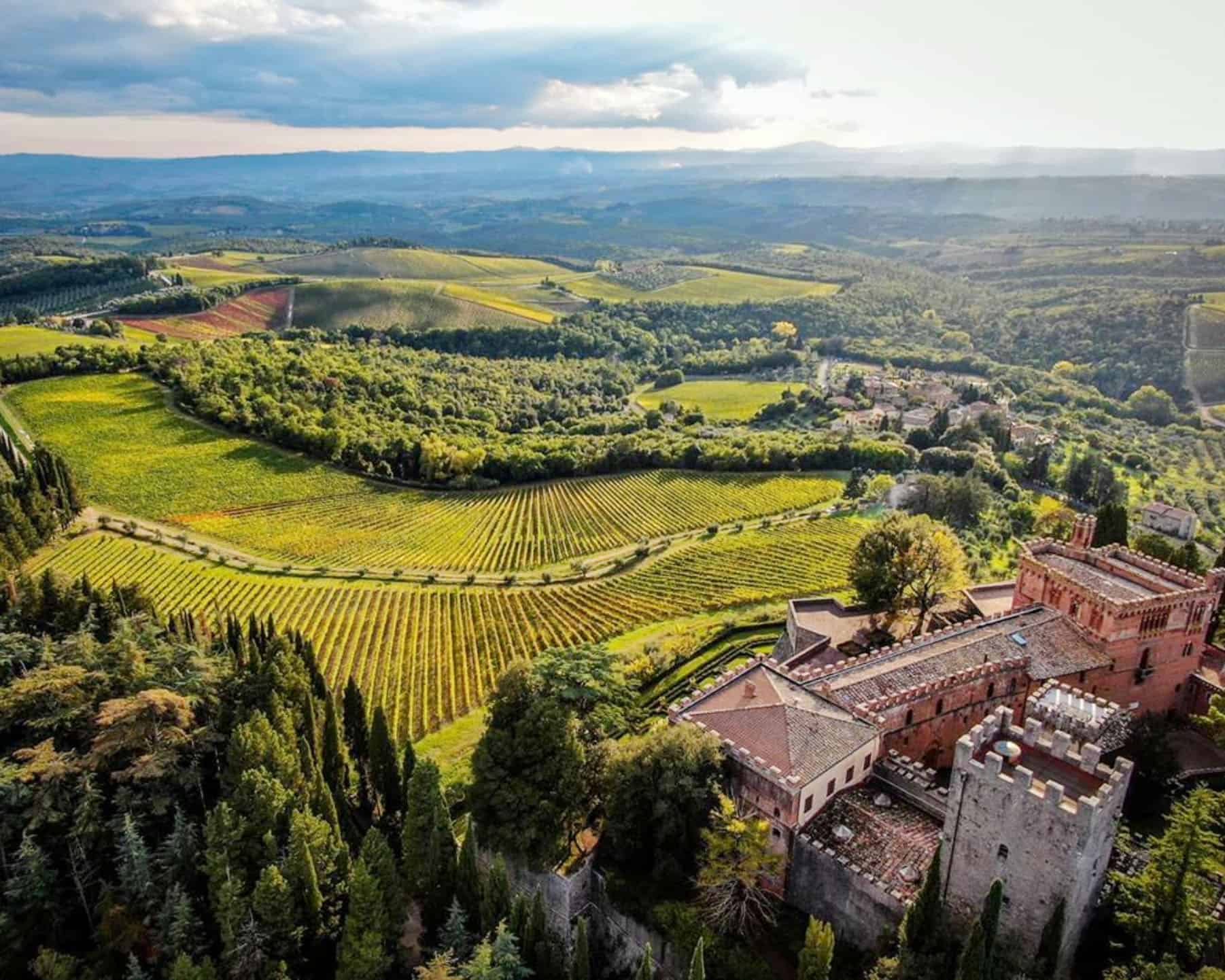
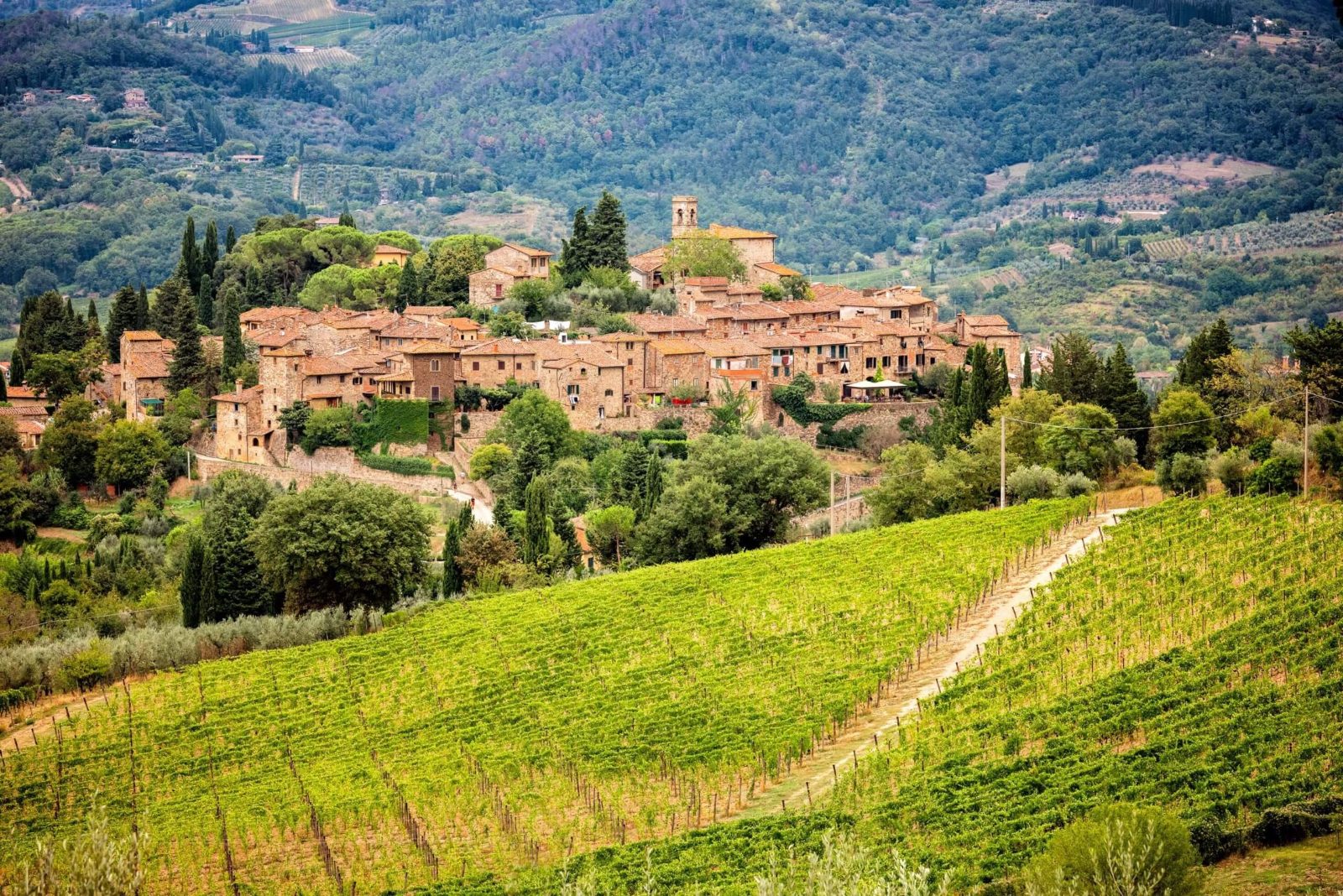
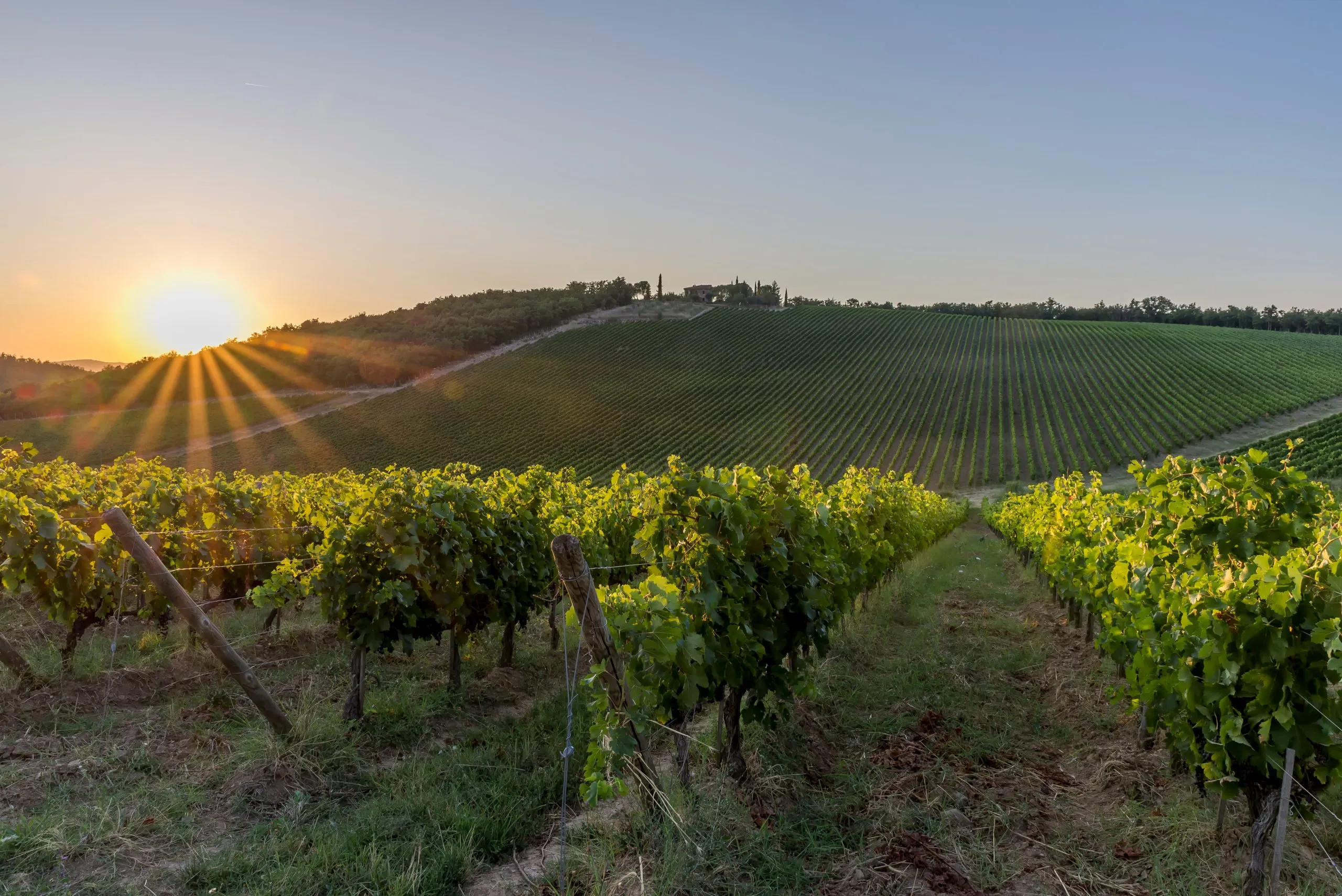
Explore rolling hills and rows of Sangiovese grapes, which define the landscape of the chianti food and wine safari. The region is famous for producing world-class wines for centuries.
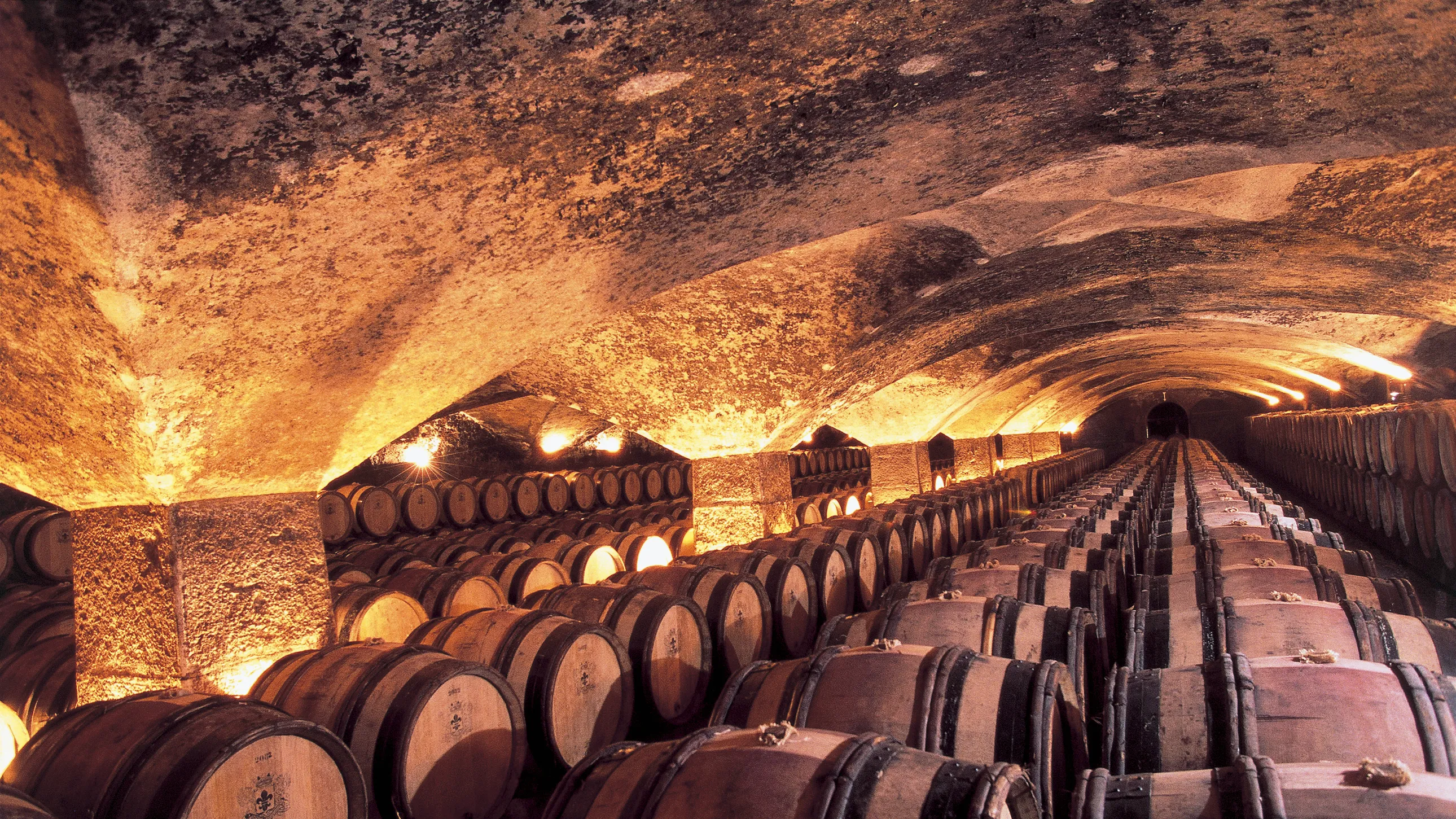
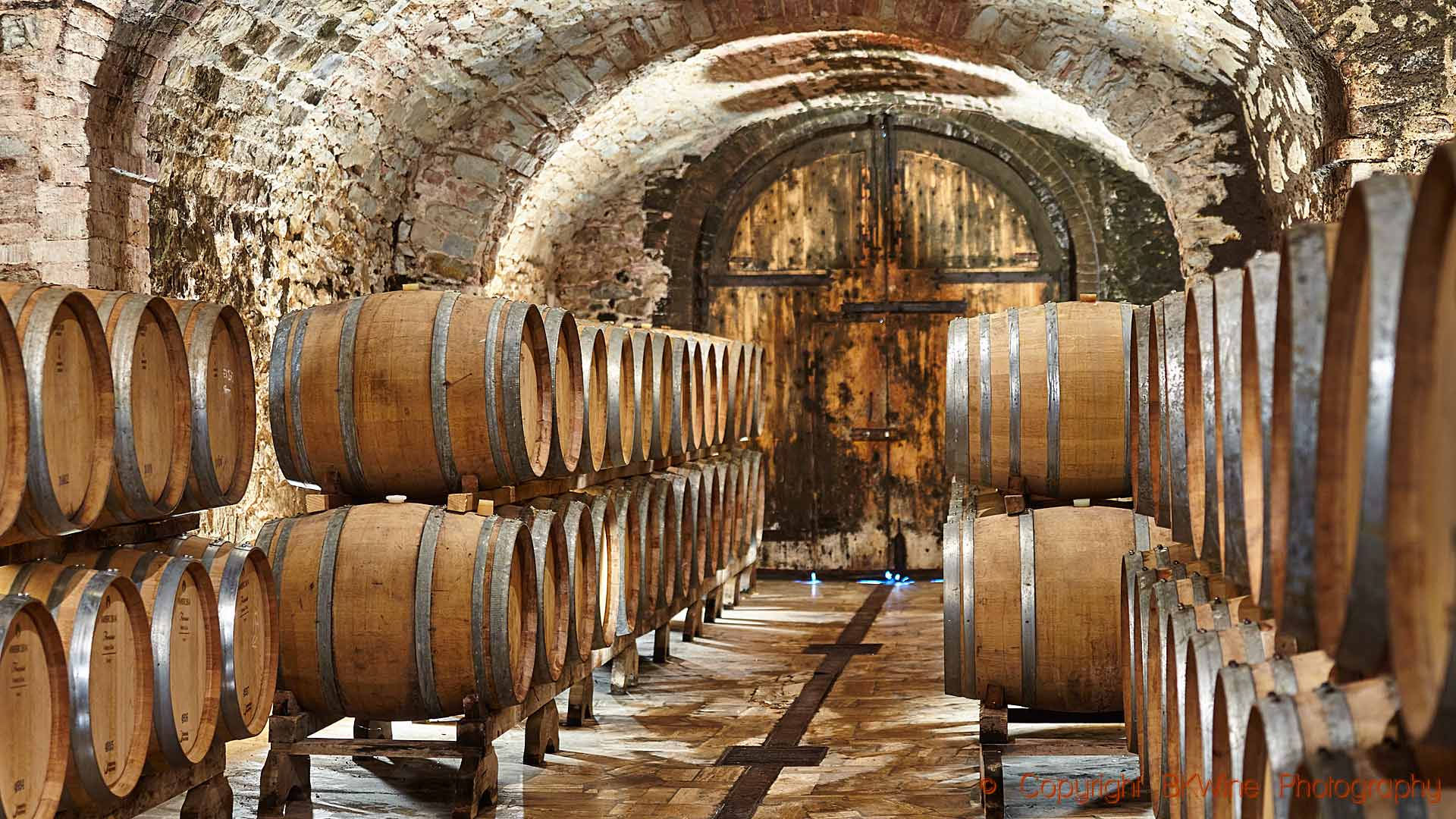
Visit subterranean vaults where wine is aged in oak barrels during your chianti food and wine safari. These structures date back to the 17th century in some estates.
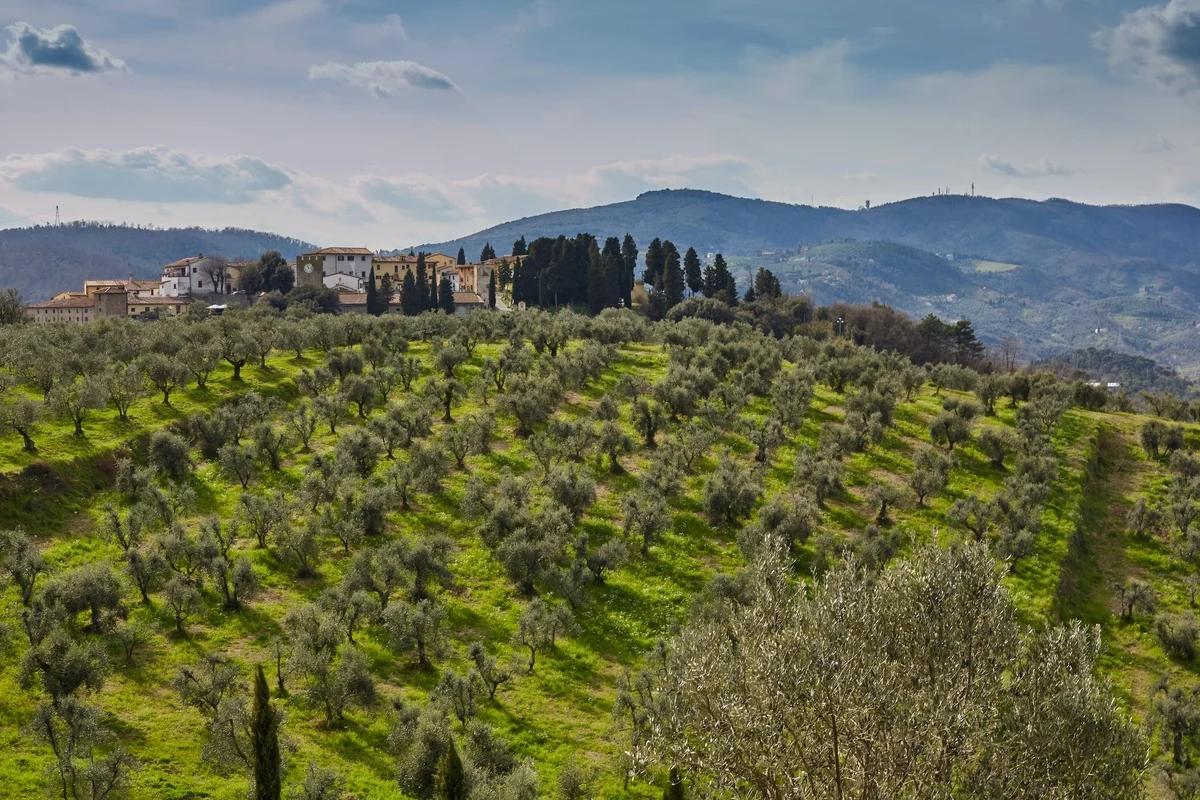
Witness the ancient trees that produce prized Tuscan olive oil, a highlight of the chianti food and wine safari experience. These trees often exceed 100 years of age.
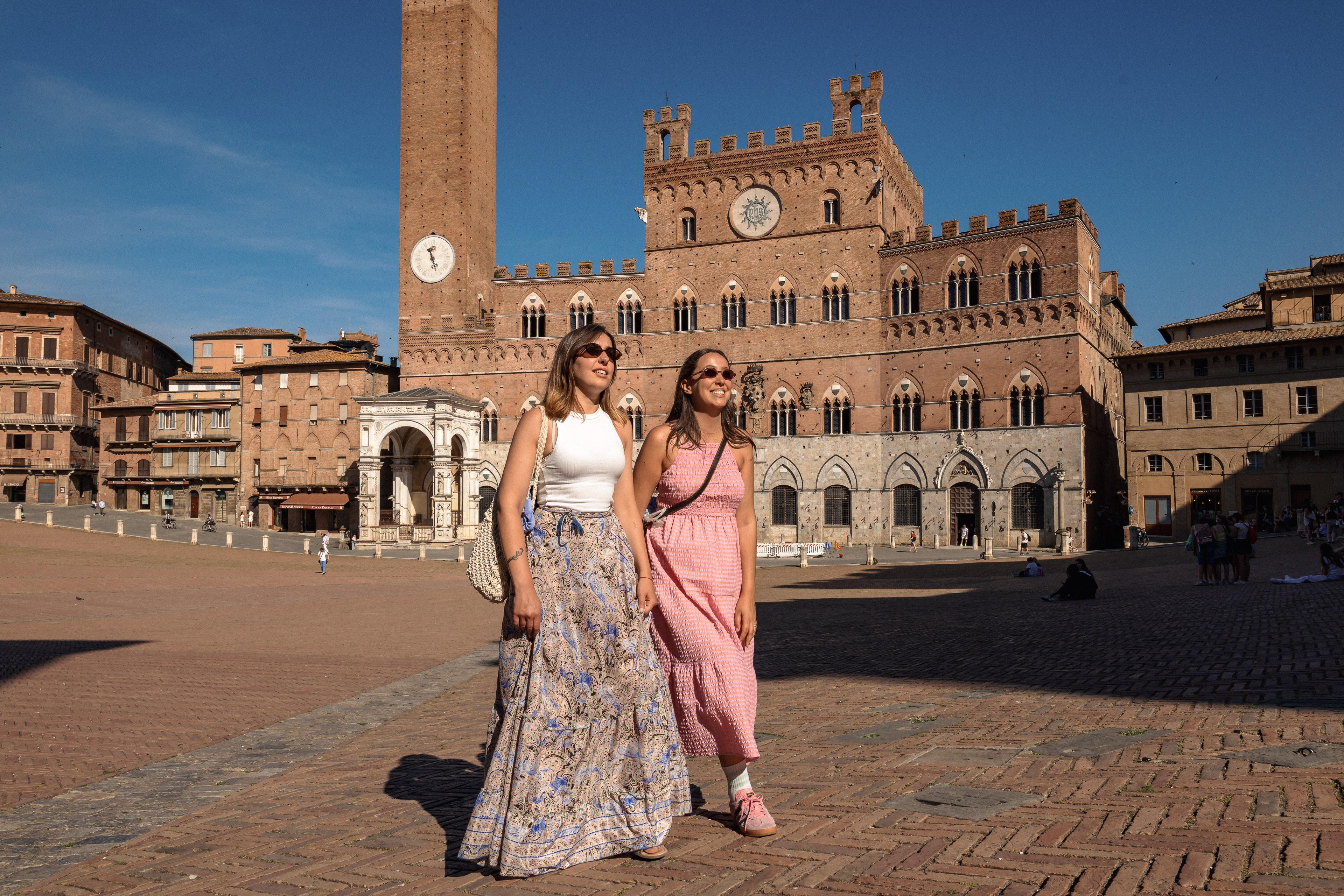
Pass through stone-walled hamlets that provide the backdrop for the chianti food and wine safari. These villages reflect the defensive architectural styles of the medieval period.
You board in central Florence, often near Santa Maria Novella station, and head south through terraced suburbs into open countryside. Within thirty minutes the bus climbs into the Chianti hills, vineyards striping the slopes in geometric rows.
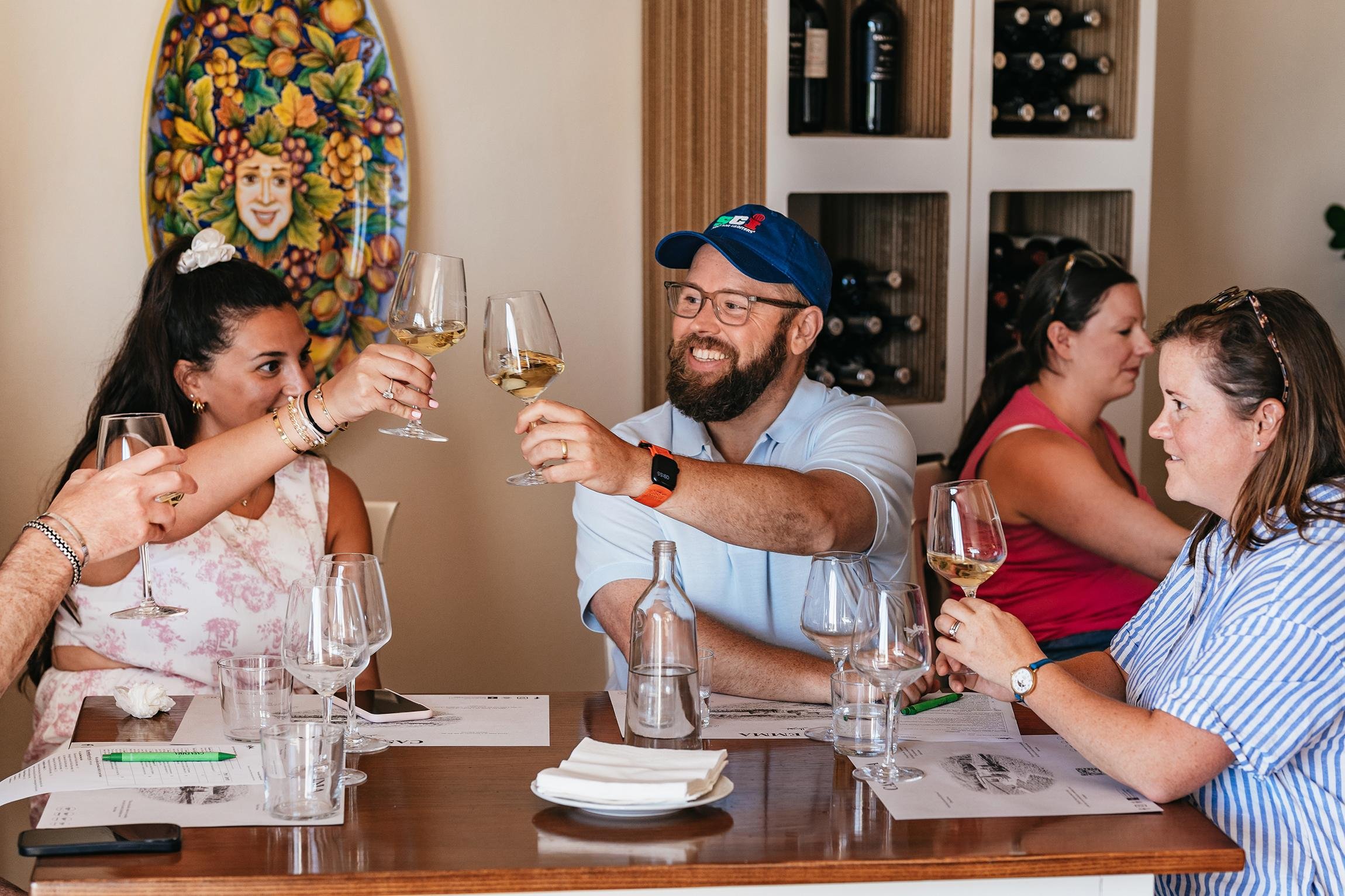
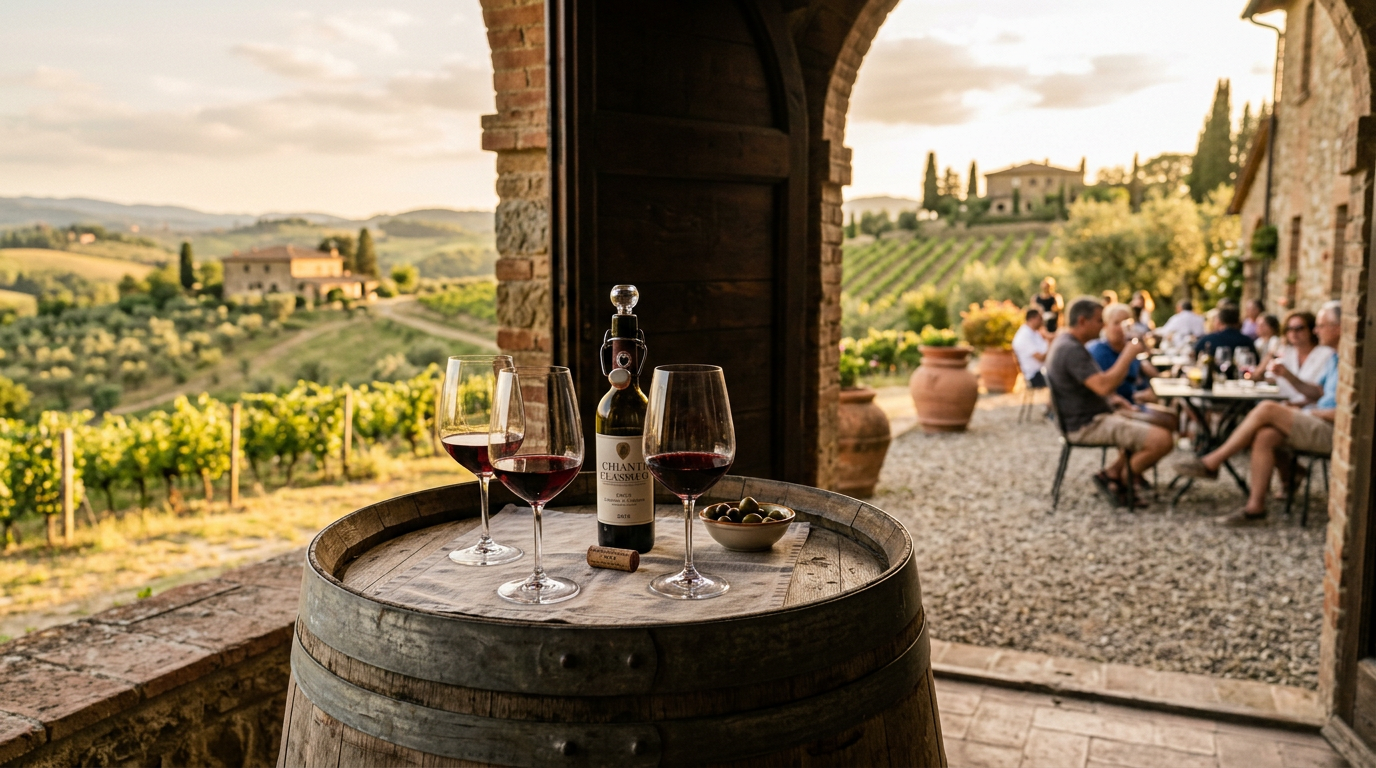
Your first stop is a working estate — typically a family-run cantina where wooden vats line stone walls. You descend into the cellar, cool air thick with oak and fermenting must, and taste three to five wines: a bright Chianti Classico, a Riserva aged two years, perhaps a Super Tuscan blend.
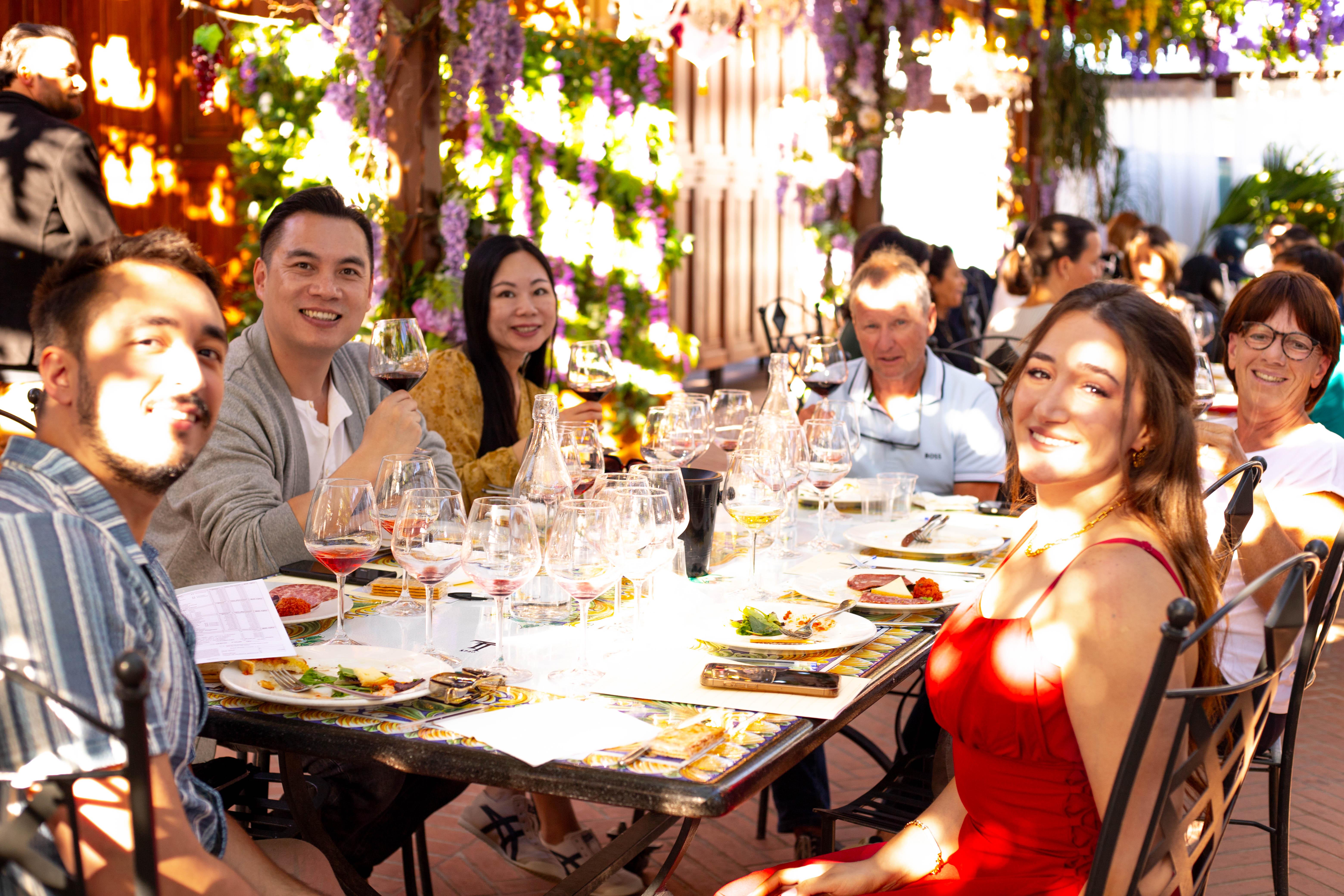
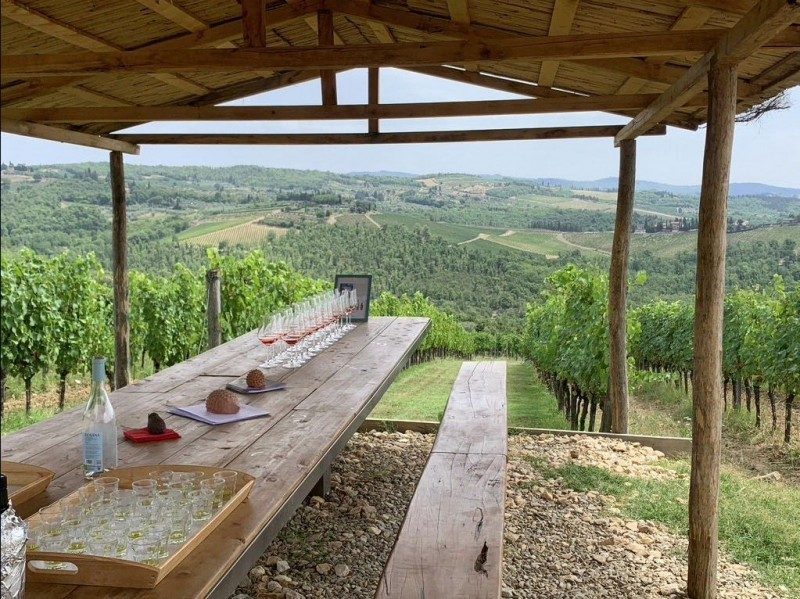
Lunch is served at a long table under a pergola or in a converted barn. Platters of cured meats, aged pecorino, olive oil pressed on-site. Pasta arrives — pici with wild boar, pappardelle with porcini — paired with the estate's mid-tier vintage. You walk the vineyard rows afterward, guides explaining canopy management and harvest timing, then visit a second estate for a shorter tasting and optional purchases. The return drive threads through San Gimignano or Greve, medieval towers and market squares framed by late-afternoon light, before depositing you back in Florence by evening.
All the details about your upcoming adventure in one place
The Chianti hills have pressed wine since Etruscan times, but the modern appellation took shape in 1716 when Grand Duke Cosimo III drew boundaries around four villages — Castellina, Radda, Gaiole, and Greve — that still anchor Chianti Classico production.
By the nineteenth century, Baron Bettino Ricasoli had codified the Sangiovese-dominant blend at Castello di Brolio, setting the formula that defines the region today. The black rooster seal, adopted by the consortium in 1924, marks bottles from the original zone, distinguishing estate-grown fruit from broader Tuscan bottlings.
Today the Chianti food and wine safari draws visitors into a landscape where viticulture shapes every hillside. More than 150 estates operate within the Classico zone alone, many housed in stone farmhouses dating to medieval grain cultivation. The shift from sharecropping to boutique winemaking accelerated after the 1960s, when mechanization and land reform allowed smallholders to bottle under their own labels. Modern cellars stand alongside Renaissance-era fermentation rooms, oak barrels stacked beneath vaulted ceilings that once stored wheat.
The region's culinary tradition mirrors its wine: simple ingredients, centuries-old methods. Ribollita — twice-cooked bread and kale soup — originated as a way to stretch leftovers through Tuscan winters. Panzanella turns stale bread and summer tomatoes into a cornerstone antipasto. Pici pasta, hand-rolled without eggs, pairs with wild boar ragù hunted in the Chianti forests. Pecorino from nearby Pienza appears at every tasting table, its sharp salt cutting through the tannins in a young Riserva.
A Chianti wine country tour typically links two or three estates, each representing a different winemaking philosophy. Family-run farms offer vertical tastings in rustic cantinas, while larger cooperatives showcase temperature-controlled stainless steel alongside traditional terracotta amphorae. The best Chianti food and wine safari tickets include cellar walks, olive-oil mills, and seated lunches where each course highlights a different vintage. Between stops, the route winds past cypress alleys, Romanesque parish churches, and viewpoints over the Val d'Elsa that have anchored Renaissance paintings.

The black rooster seal, adopted by the consortium in 1924, marks bottles from the original Chianti Classico zone.
Casual and comfortable clothing is recommended for your chianti food and wine safari tours. Sturdy, closed-toe shoes are essential for walking through vineyards and historic cellar locations.
Keep belongings minimal as space inside the off-road vehicles used for the chianti food and wine safari is limited. Large suitcases are not permitted on the excursion.
Photography is encouraged throughout the Chianti countryside during your chianti food and wine safari. Please respect the privacy of winery staff and other guests when capturing images at private estates.
Families are welcome on the chianti food and wine safari, though child seats may be required depending on age. Verify age restrictions for alcohol tasting components before booking your tour.
The off-road nature of the chianti food and wine safari may present challenges for those with limited mobility. Contact the office prior to booking your chianti food and wine safari tickets to discuss specific requirements.
The chianti food and wine safari includes curated tastings, so refrain from bringing large amounts of outside snacks. Water is provided, but feel free to carry a reusable bottle for personal hydration.
Opening Hours
09:00–19:00
Address
Largo Fratelli Alinari, 4, 50123 Florence, Italy
Support
Contact operator for mobility requirements
Best Arrival
09:00–18:00
Booking Support
Official site via walkaboutflorence.com
Walk · 5m · 0 EUR
The office is located near Santa Maria Novella station
Taxi · 10m · Varies by distance
Request drop-off at Largo Fratelli Alinari
Full refunds are typically available if you cancel within the provider's specified window before the start of your chianti food and wine safari. Please check your confirmation email for exact terms regarding the commercial service fee of 0 EUR.
Recommended time
Full day
The chianti food and wine safari provides an immersive journey through Tuscan vineyards, typically requiring a full day to accommodate travel and multiple estate visits. Opting for chianti food and wine safari tours ensures you have sufficient time for guided cellar explorations and authentic culinary tastings without rushing between stops. Since chianti food and wine safari tickets are secured for specific departures, check-in at the Florence office allows for a smooth start to your day. Those seeking a deeper connection with the countryside may appreciate the unhurried pace of this Tuscan wine country excursion.
Crowd levels through the day
Weather · crowds · average price — dots go green to amber to red as each metric rises.
Mild temperatures between 15°C and 22°C make this an ideal time for a chianti food and wine safari. Landscapes are vibrant and perfect for photography.
Expect warmer weather and busy vineyards during the chianti food and wine safari tours. Booking in advance is highly recommended for these months.
The harvest season offers a unique look at the chianti food and wine safari process. Temperatures are cool and pleasant for outdoor exploration.
While cooler, the landscapes remain peaceful and quiet for a chianti food and wine safari. Wineries are often more intimate during this period.
Secure your spot for the chianti food and wine safari online to avoid sell-outs during peak season. This ensures you have your preferred date confirmed.
Carry extra water during the summer months when the sun can be intense. The chianti food and wine safari covers significant outdoor ground.
Tuscan weather fluctuates throughout the day, especially in the hills. Prepare for temperature shifts during your chianti food and wine safari.
While tours are prepaid, having a small amount of cash is useful for personal purchases at wineries. This is helpful for local artisan goods during your chianti food and wine safari.
Ask questions about viticulture to enhance your chianti food and wine safari knowledge. Guides provide deep insight into local traditions.
Largo Fratelli Alinari, 4, 50123 Florence
Check in at the front desk upon arrival
Get directionsThe **chianti food and wine safari** emerged in the early 2000s as a response to a quiet crisis: Tuscan winemakers were hemorrhaging visitors to industrial tasting rooms in Greve and Castellina, while family-run estates with centuries of history remained invisible to foreign travelers. In 2003, a consortium of small producers around Radda partnered with Florence-based tour operators to pilot guided excursions that combined vineyard access with hands-on cooking demonstrations. The model succeeded because it solved a logistics problem—rental cars on narrow Chianti roads were causing accidents, and language barriers left visitors stranded at locked cantina gates. By 2006, structured **Chianti wine tours** had become a category, with operators adding olive oil mills and ceramic workshops to differentiate routes. The 2008 financial collapse nearly killed the concept. Bookings dropped sixty percent as American and British clients canceled trips, and three founding estates pulled out to focus on wholesale contracts. What saved the safari format was a pivot to shorter half-day itineraries and shared-van transport, lowering the price threshold enough to attract independent travelers. Between 2010 and 2015, the rise of Airbnb brought a new wave of visitors seeking authentic experiences beyond Florence's museum circuit, and **chianti food and wine safari tickets** became a staple of boutique itineraries. Operators began emphasizing biodynamic vineyards and Slow Food–certified farms, aligning the tours with sustainability narratives that appealed to millennial travelers. Today the format faces pressure from overtourism in San Gimignano and Monteriggioni, where tour buses clog medieval streets. In response, several operators have shifted departure points to Florence's Largo Fratelli Alinari and limited group sizes to twelve. The original 2003 estates—Castello di Volpaia, Fattoria di Montemaggio—remain anchor stops, their terracotta cellars and hand-pruned Sangiovese vines a living link to the sharecropping *mezzadria* system that defined Chianti until the 1960s. What began as a rescue operation for struggling vineyards is now a template replicated across Piedmont, Umbria, and the Veneto.
Small Chianti producers launch pilot vineyard tours with Florence operators to solve access and language barriers.
Structured wine safari format expands to include olive mills and artisan workshops across Radda and Gaiole.
Financial crisis forces shift to half-day shared-van tours after bookings collapse sixty percent.
Airbnb growth drives demand for experiential tours; operators add biodynamic and Slow Food–certified stops.
Overtourism concerns prompt group-size caps and departure-point consolidation in Florence.
Original 2003 estates remain anchor stops; format spreads to Piedmont and Umbria wine regions.
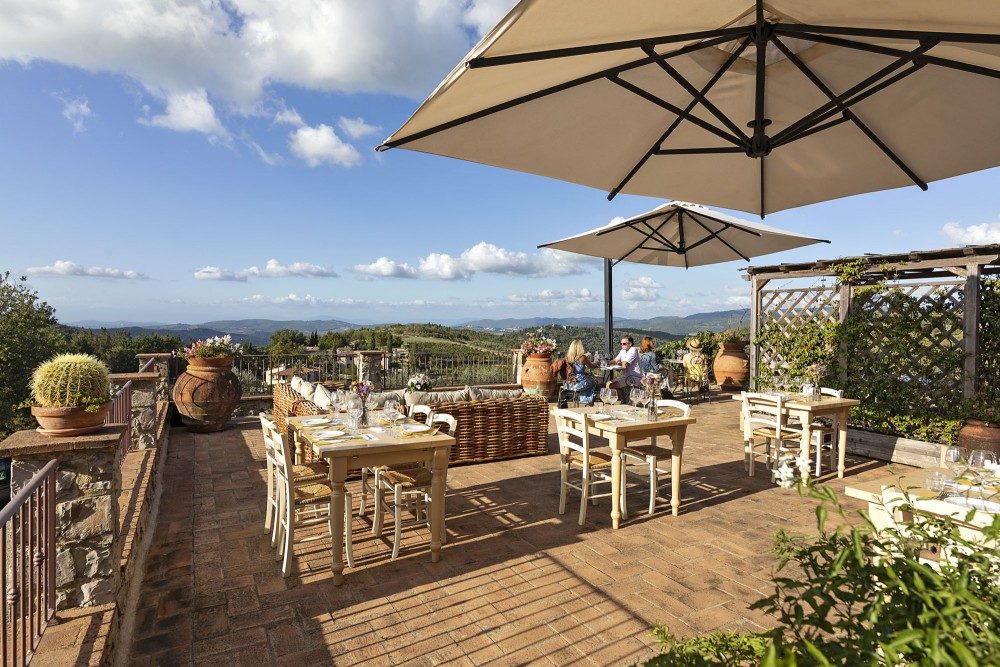
Stand at the edge of the stone terrace to capture the rolling hills and rows of Sangiovese vines during a chianti food and wine safari. This vantage point offers a clear view of the Tuscan valley landscape.
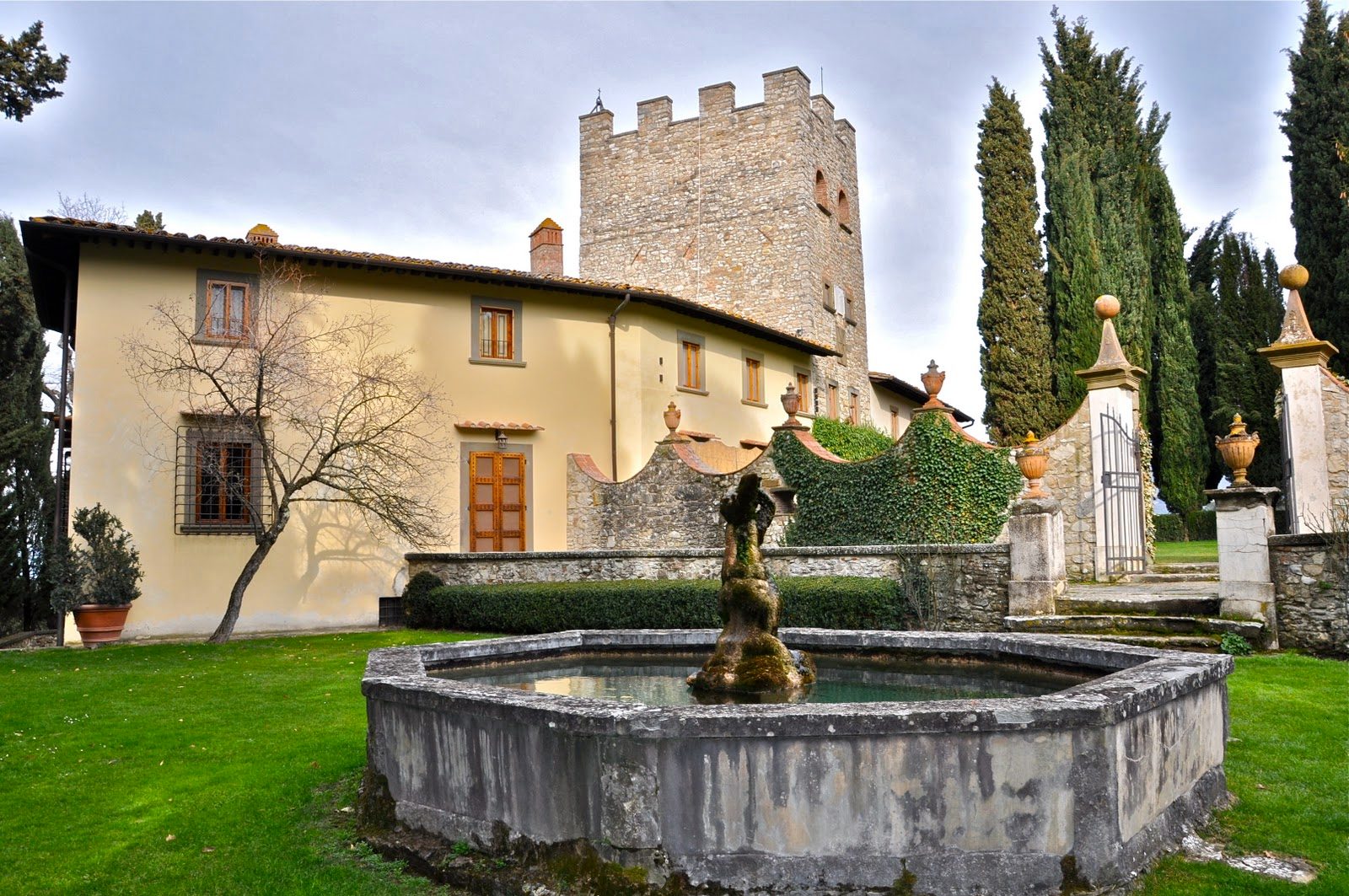
Position yourself near the central stone well to frame the historic castle architecture against the backdrop of the countryside. This spot provides a blend of medieval masonry and lush greenery for your chianti food and wine safari tour photos.
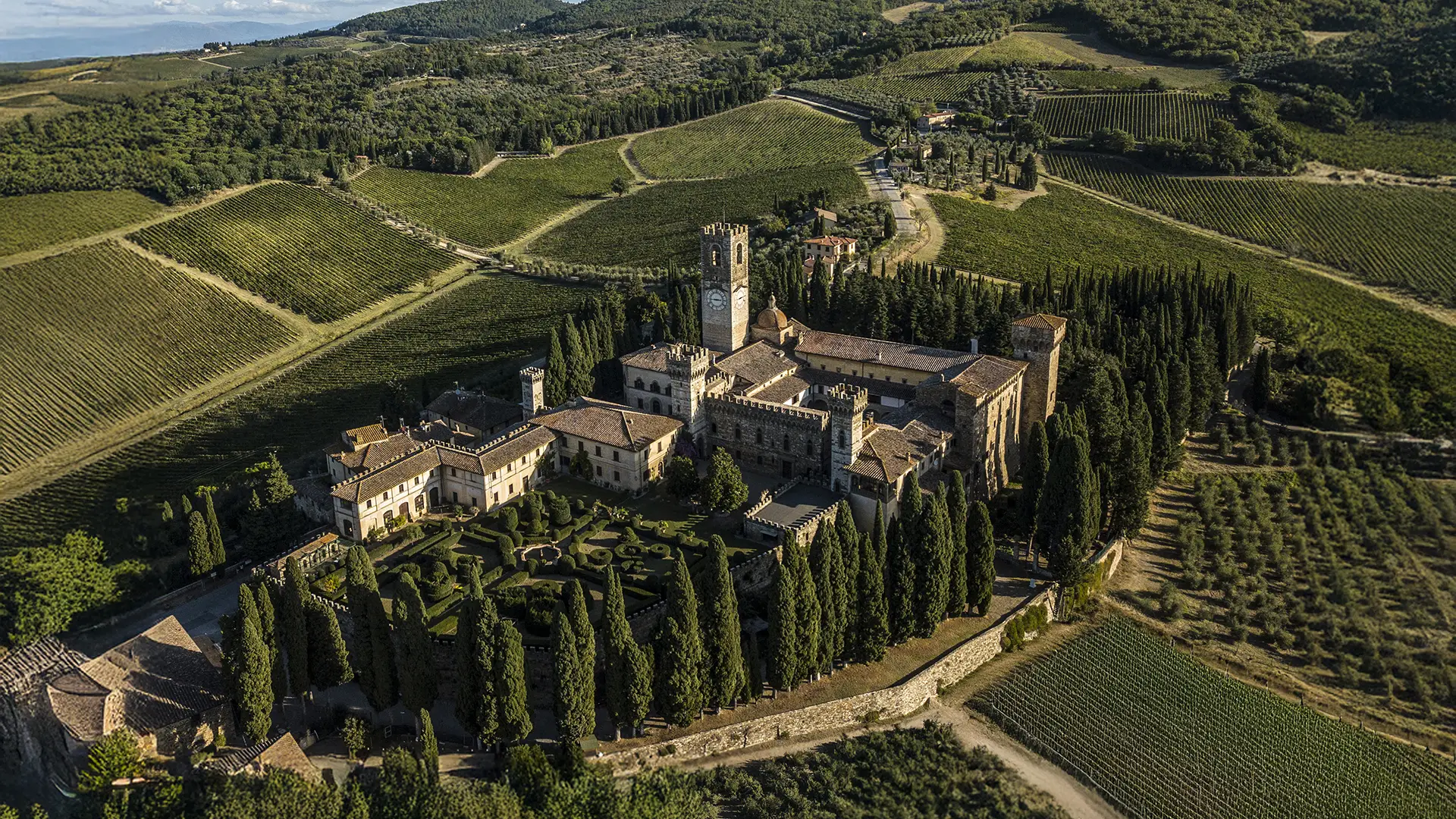
Capture the fortified walls and cypress-lined entrance of this historic site from the gravel path leading up to the main gate. It is a preferred location for documenting the heritage aspect of chianti food and wine safari tours.
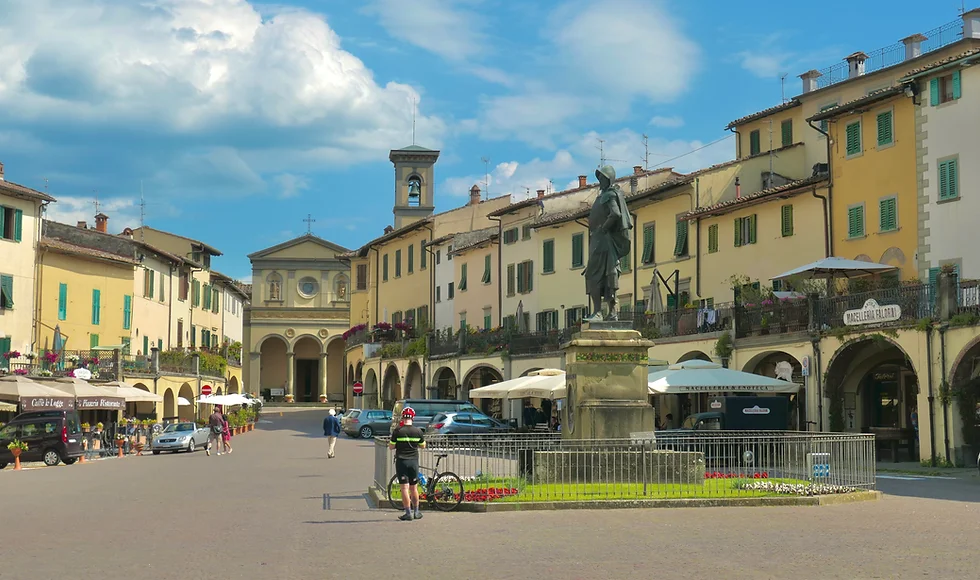
Find an angle from the arched porticos of Piazza Matteotti to photograph the unique triangular town center. Use the shade of the porticoes to frame the bustling market atmosphere when securing chianti food and wine safari tickets.
Exploring the Tuscan countryside on a chianti food and wine safari offers families a relaxed way to experience vineyards and rolling hills. This Chianti wine country tour focuses on outdoor landscapes rather than confined museum spaces, making it manageable for active groups.
Due to the off-road nature of rural estate terrain and transport vehicles, leave standard strollers behind and opt for a compact carrier if traveling with infants.
These chianti food and wine safari tours are best suited for children who can comfortably handle longer travel times in a vehicle and remain seated during guided tastings.
Be aware that traditional rural farmhouses may not feature modern changing tables, so bring necessary supplies for your child in a portable kit.
The excursion involves multiple stops at different estates; verify that your party is prepared for a day-long commitment when booking your chianti food and wine safari tickets.
While the experience centers on regional harvests and olive oil production, confirm dietary requirements for younger participants directly with the operator before departure.
As this chianti food and wine safari tour takes place in an open-air environment, monitor local forecasts closely to prepare children with appropriate outerwear for changing autumn conditions.
Exploring the Tuscan countryside near a chianti food and wine safari provides authentic access to regional estate kitchens. While many excursions include curated tastings, visitors often seek local tavernas to extend their culinary journey.
Located in a historic monastery, this venue focuses on seasonal farm-to-table ingredients and extensive wine pairings. It is a popular choice for those finishing their chianti food and wine safari tours in style.
Perched on a hillside, this spot offers traditional pasta and grilled meats with views of the valley. It serves as a classic stop for anyone holding chianti food and wine safari tickets.
This cozy establishment features local pecorino cheeses and cured meats sourced from nearby producers. It is ideal for a relaxed meal following your chianti food and wine safari tour.
Everything you need to know for your journey
The office at Largo Fratelli Alinari, 4, is open Monday through Sunday from 09:00–19:00. Support staff are available during these hours for your chianti food and wine safari needs.
The off-road nature of the tour requires basic mobility, but contact the office to discuss specific needs for your chianti food and wine safari.
Keep bags minimal as storage space is limited on vehicles used for the chianti food and wine safari.
Yes, you are encouraged to take photos throughout your chianti food and wine safari.
Spring and autumn are considered ideal for the mild climate during a chianti food and wine safari.
Wear comfortable, casual clothing and sturdy, closed-toe shoes for the chianti food and wine safari.
Light snacks are fine, but the chianti food and wine safari already includes curated food tastings.
The office is located at Largo Fratelli Alinari, 4, easily accessible by walking from the main station for your chianti food and wine safari.
Families are welcome, though you should verify specific age requirements for the chianti food and wine safari before booking.
Full refunds depend on the specific terms provided at booking, noting the 0 EUR fee for the chianti food and wine safari.
A historic Dominican church famous for its Renaissance frescoes.
Historic hotel with classic Florentine decor
Join thousands of happy travelers who have discovered this incredible experience
Book Your Experience Now